Staring at a South End condo listing and wondering what that monthly fee actually covers? You are not alone. In Boston’s South End, condo fees vary widely and can shift your total carrying cost more than you might expect. In this guide, you will learn typical fee ranges, what those dollars pay for, how building type and amenities change the math, and which documents to review before you commit. Let’s dive in.
South End fee ranges at a glance
In the South End, monthly condo fees sit on a broad spectrum that depends on building type and services.
- Small historic rowhouse conversions and low-service associations often land in the lower range, sometimes a few hundred dollars per month.
- Mid-rise buildings with some services and shared utilities typically fall in the mid-range.
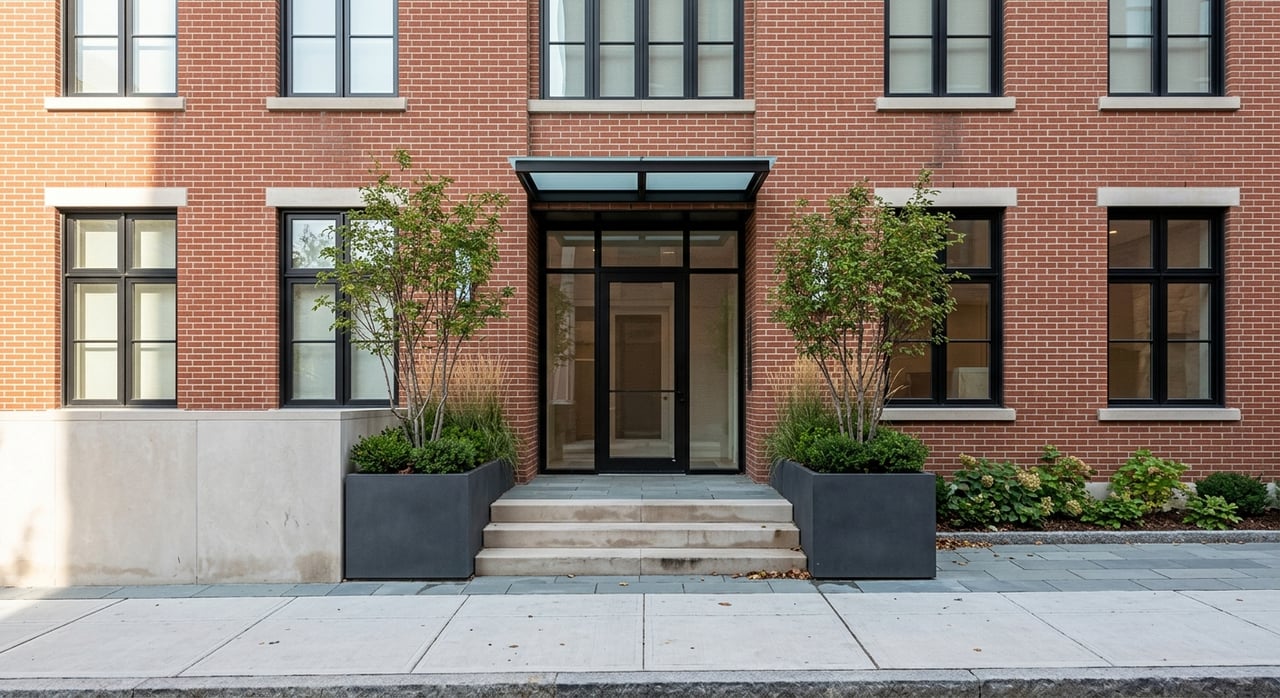
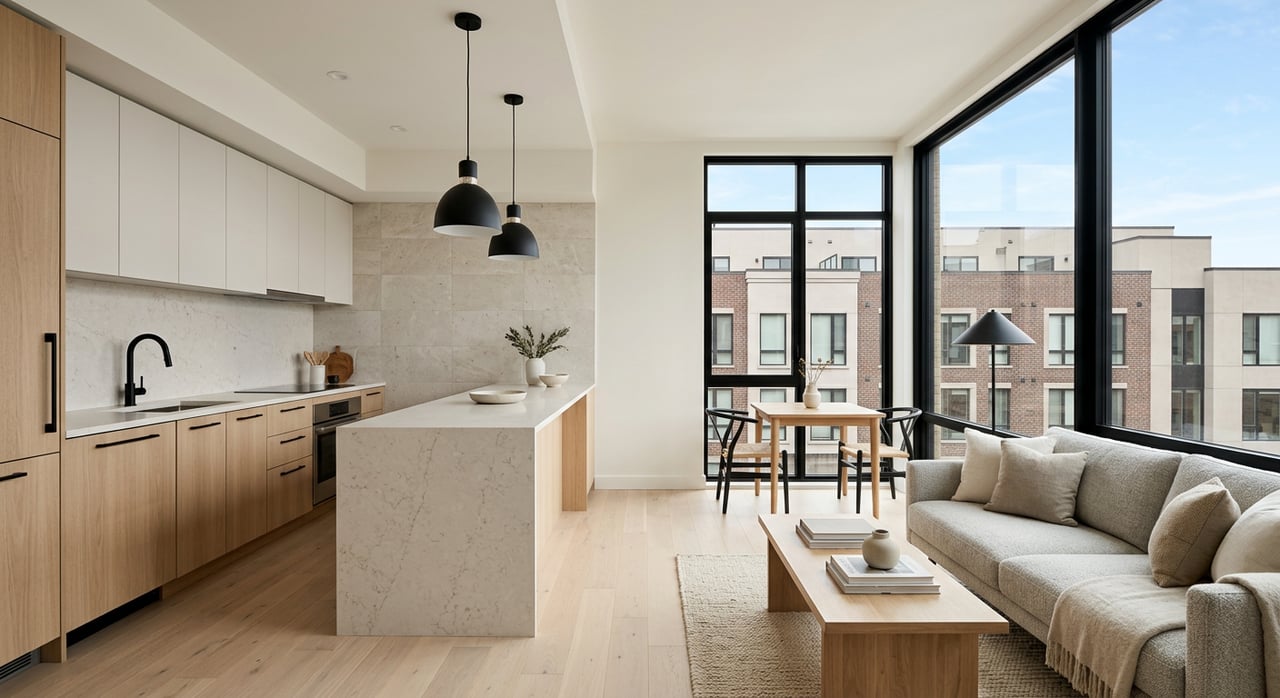
- Newer luxury mid-rise or high-rise buildings with doormen, concierge, gym, pool, or valet services often charge several hundred to over a thousand dollars per month per unit.
Fee levels vary by unit size, your percentage interest in the association, whether parking is included, whether utilities are paid through the association, and the scale of amenities and staffing.
How to compare fees across listings
Comparing fees only by total dollars can be misleading. Try normalizing:
- Review the unit’s percentage interest to see how costs are allocated.
- Compare on a per square foot basis when possible.
- Note any separately billed items, such as parking or storage.
A simple budgeting rule of thumb
To understand true carrying cost for a specific unit, calculate:
- Monthly condo fee
- Plus your monthly property tax estimate
- Plus expected utilities that are not covered by the association
If the building is older, add a contingency of about 5 to 10 percent for potential special assessments. Use this as a planning guide, then validate with the association’s documents.
What condo fees usually cover
Most South End associations build their budgets from the same core categories. The mix affects your monthly fee.
- Master insurance. Covers the building structure and common areas, plus liability for association operations. You will still need an HO-6 policy for your interiors, contents, and any deductible exposure if deductibles can be allocated to owners.
- Building maintenance and repairs. Elevator service, roof and façade work, hallway upkeep, windows, and door hardware. Historic masonry and window restoration can increase costs in older buildings.
- Common area utilities. Lighting, common heating or cooling if applicable, and water for shared systems. Some associations also pay unit water or heat, which increases fees.
- Staffing and management. Doormen, concierge, on-site supers or maintenance techs, and professional management company fees. Staffing is one of the largest recurring costs in full-service buildings.
- Amenity operations. Fitness equipment, pool maintenance and chemicals, housekeeping for lounges, and TV or internet for common rooms.
- Trash, snow removal, landscaping, pest control. Snow removal is a meaningful line item in Boston winters.
- Reserve contributions and capital projects. Savings for long-term repairs such as roofs, elevators, and façade work. Healthy reserves lower the risk of special assessments.
- Professional fees and insurance. Legal, accounting, and tax preparation.
- Property taxes on common or commercial elements. If applicable, these are apportioned to owners.
As a planning guide, you might see insurance at 10 to 20 percent of expenses, utilities at 10 to 25 percent, maintenance and repairs at 15 to 30 percent, staffing and management at 10 to 25 percent, reserve contributions at 10 to 20 percent, and amenities at 5 to 25 percent. Always rely on the building’s budget for actual percentages.
Building age and amenities impact
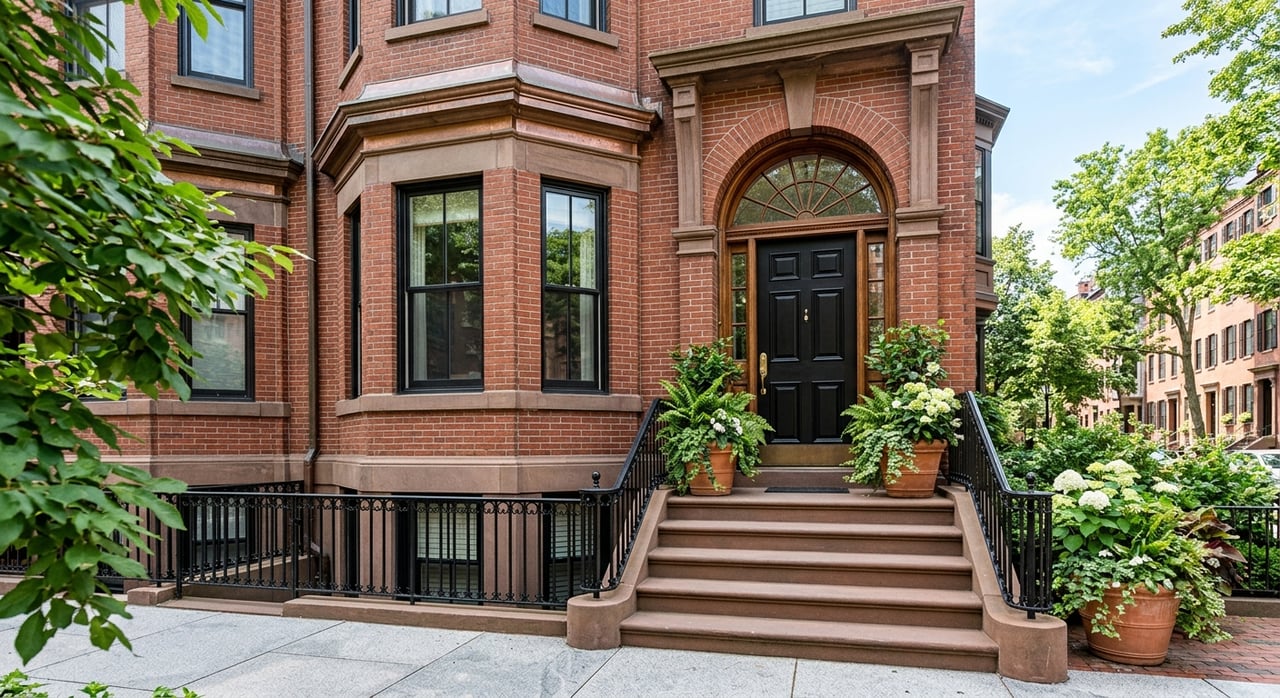
Historic rowhouses and brownstone conversions
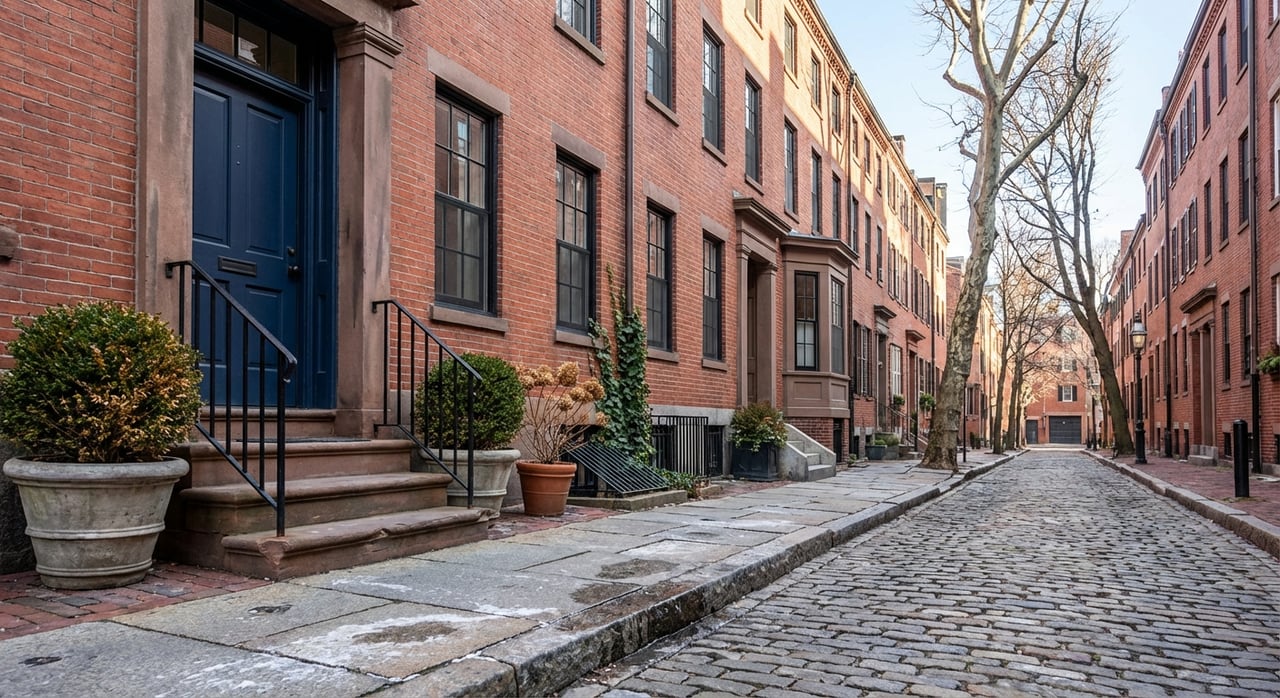
Small South End associations often have 4 to 12 units with basic services. With fewer units to share fixed costs like insurance or management, per-unit fees can look higher compared to the services offered. Older masonry, slate roofs, and original systems can require costly work, and smaller associations sometimes carry thinner reserves. Scrutinize reserve levels, recent capital projects, and any deferred maintenance. Clarify who pays for façade, stucco, or window replacements.
Mid-rise and newer luxury buildings
Larger buildings usually offer a staffed front desk, concierge, on-site fitness centers, lounges, rooftops, package rooms, and sometimes pools or valet. Fees are higher because staffing and amenity operations are expensive, and utilities for elevators, gyms, and common HVAC add up. Larger associations often have formal reserve studies and professional budgeting. Newer buildings may underfund reserves at first, then adjust fees later. Confirm whether parking is included or charged separately.
South End specifics to factor in
- Parking scarcity. Many South End condos do not include parking. When it is available, it can be deeded, assigned, or rented, and fees may be separate.
- Historic district and preservation. Design rules can increase exterior maintenance costs and lengthen repair timelines, especially for façade and window work.
- Climate costs. Snow removal and seasonal maintenance are recurring expenses.
- Nearby development and municipal work. Streetscape or utility projects can affect certain buildings. Ask about any pending municipal work.
Buyer due diligence checklist
Request these items early so you can budget accurately and avoid surprises:
- Current year association budget and most recent financial statements
- Reserve study, plus recent reserve contributions versus recommendations
- Minutes of board meetings for 12 to 24 months to spot pending projects, litigation, rule changes, or assessments
- Certificate of insurance for the master policy, including coverage limits and deductibles
- Master deed, declaration, bylaws, house rules, and any amendments
- Management contract terms and fees
- List of pending or recent special assessments and history over 5 to 10 years
- Statement of the unit’s percentage interest and how fees are allocated
- Any current or threatened litigation
- Recent capital projects and contracts for major work
- Parking and storage details, including any separate fees
- Rental and subletting rules
- Pet policies
- Any regulatory or governmental orders affecting the building
Seller prep checklist
Help buyers move quickly and increase confidence in your building:
- Prepare a complete condo pack with budget, bylaws, master deed, insurance certificate, minutes, and reserve study
- Provide documentation and paid invoices for recent capital projects
- Share accurate fee payment history and any arrears
- Disclose known building defects or pending major work early
- Provide management company and board contact information
Red flags to watch
- Low or zero reserves with visible deferred maintenance
- Frequent or large special assessments in recent years
- High owner delinquency rates
- Ongoing litigation with contractors or insurers
- Insurance structures that shift large deductibles to owners
- A management contract with high fees, poor performance, or an imminent change without a transition plan
Smart negotiation moves
For buyers
- Ask for the full condo pack before you finalize terms and review the budget and minutes for hidden cost drivers.
- If reserves are low, consider asking for a seller credit or request clarity on reserve funding before closing.
- Confirm what parking and storage are included and whether separate fees apply.
- Verify master policy details and your HO-6 requirements, including deductible exposure.
- Build a contingency for potential assessments, especially in older buildings.
For sellers
- Share a clean, well-organized condo pack to reduce friction and appraisal delays.
- Highlight completed capital projects and provide proof of payment.
- Disclose any pending assessments and timing. Buyers expect clarity.
Putting it all together
In the South End, two similar-looking condos can have very different monthly fees and risk profiles. Focus on what the fee covers, the building’s reserves and capital plan, and how parking, staffing, and amenities shape long-term costs. With the right documents and a clear comparison method, you can budget with confidence and avoid surprises.
If you would like a guided review of a specific building’s condo fees and documents, connect with Steve Losordo & Jillian Reig for a tailored consultation.
FAQs
What do South End condo fees typically cover?
- Most budgets include master insurance, maintenance and repairs, common utilities, staffing and management, amenity operations, trash and snow removal, reserve contributions, professional fees, and any taxes on common elements.
How much do South End condo fees usually cost?
- Fees vary widely. Small low-service buildings can be a few hundred dollars per month, while full-service luxury buildings with doormen and amenities can run several hundred to over a thousand dollars per month.
How are condo fees allocated among owners?
- Some associations charge per unit, while many allocate costs by percentage interest tied to unit size. Compare fees using per square foot or percentage interest to normalize across listings.
Do condo fees include parking in the South End?
- Often, parking is separate. When available, it may be deeded, assigned, or rented, and it can carry its own fee. Confirm the exact arrangement for the unit.
What is an HO-6 policy and do I need one?
- An HO-6 is a condo unit owner policy for interior finishes, contents, and certain deductibles. You should carry HO-6 coverage because the master policy covers the building and common areas, not your interiors.
How do building age and amenities affect fees?
- Older historic buildings may have lower routine fees but higher risk of special assessments due to exterior restoration or system upgrades. Amenity-heavy buildings have higher recurring costs because of staffing, utilities, and maintenance.
Which documents should I review before buying?
- Request the budget, financials, reserve study, board minutes, master insurance certificate, governing documents, management contract, assessment history, litigation status, and details on parking, rentals, and pet rules.