Your Guide to Moving from Boston to Brookline
March 24, 2026
March 24, 2026
Thinking about trading a Back Bay brownstone for more space and greenery in Brookline? You are not alone. Many Boston homeowners look to Brookline for extra square footage, access to parks, and a village-style feel without losing the T. In this guide, you will compare housing, taxes, transit, and neighborhoods, and you will get a simple checklist to make your move smoother. Let’s dive in.
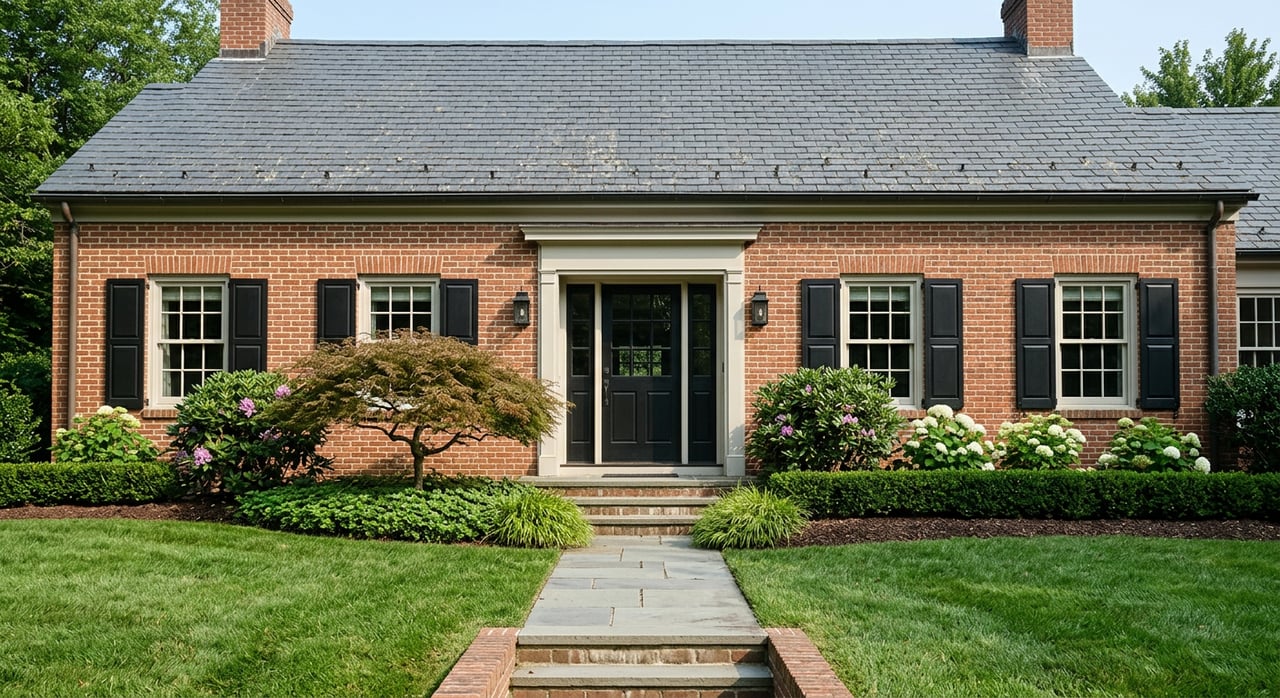
Brookline gives you a neighborhood feel, strong village centers, and quick Green Line access back to the city. You will find more options for single-family homes and small multi-family properties than in many Boston Proper neighborhoods, along with walkable hubs like Coolidge Corner and Brookline Village.
If you track market context, Brookline’s median owner-occupied home value is about $1,246,800 based on the latest American Community Survey profile. You can review the town’s demographic snapshot on the Brookline Census profile.
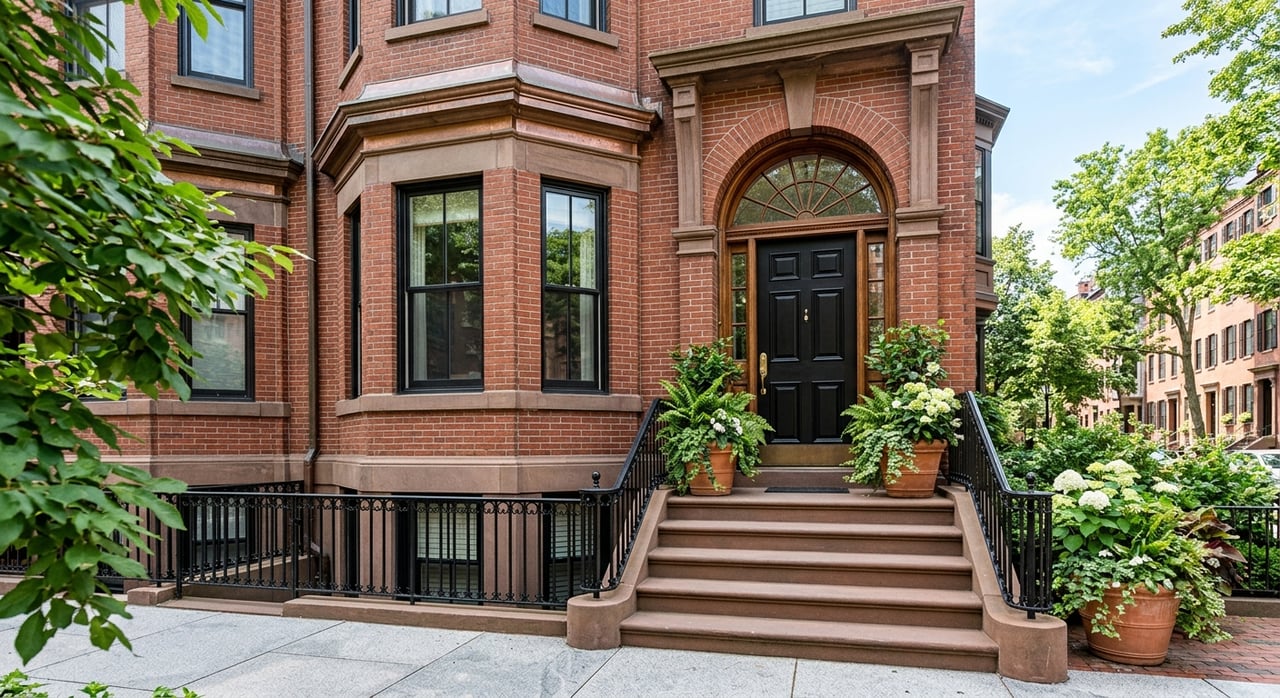
In Back Bay, Beacon Hill, and the South End, housing skews toward condos in historic rowhouses and luxury buildings. If you value that historic streetscape, note that Brookline has its own character, with village centers and more detached homes. For architectural context on Boston’s brownstones and historic districts, see the National Park Service overview.
Across Brookline, you will find:
The practical takeaway: moving from Boston Proper often means more interior square footage and the possibility of a yard, balanced by neighborhood-specific pricing and inventory.
Back Bay and the South End typically see smaller average unit sizes and higher price per square foot, given the luxury condo mix and historic brownstones. In Brookline, many buyers trade a bit of central-city convenience for larger homes, village-scale retail, and gardens while staying close to Boston by T or bike. If you want to go deeper, pair the Census profile above with current assessor data and your agent’s neighborhood-level comps.
Brookline is served by two Green Line branches. The C Branch runs along Beacon Street, and the D Branch runs along the Highland/Riverside corridor. Both provide direct access into Kenmore and central Boston, with one-seat or short-transfer rides to Copley and downtown. For an overview of how to ride the T and plan a door-to-door trip, check the MBTA rider guide summary.
Typical door-to-door trips from Coolidge Corner, Washington Square, or Brookline Village to the Back Bay/Copley area often fall in the 10 to 25 minute range depending on your origin, the branch, wait times, and connections. Always confirm current schedules using real-time tools before you tour homes.
Recent planning work is consolidating some Green Line C Branch stops within Brookline. If station spacing and accessibility are priorities, review the latest C Branch stop consolidation news and verify the closest active stop for any address you are considering.
If you keep a car, Brookline uses resident permit parking zones with specific eligibility rules. Before you rely on street parking, confirm whether the block is in a zone and whether a driveway or garage is included with the home. You can read the formal rules in the town’s resident permit parking regulations.
Property tax rates differ between Boston and Brookline and can change your annual costs.
Simple example before exemptions:
Actual bills will vary based on each town’s residential exemption policies and your property’s assessed value. Always run parcel-level scenarios using the current year’s rates and exemption rules, and confirm with your agent or the assessor’s office.
Many buyers cite Brookline Public Schools as a key factor. If school assignment or program timing matters for your move, review the district’s demographic and enrollment study to understand enrollment trends and planning considerations. You can access the latest report on the Brookline Public Schools demographic study. Be sure to check current assignment rules and enrollment timelines directly with the district.
Brookline includes multi-family corridors and single-family zones, which can affect what and where you can build, add, or convert. Before making plans for an addition, a unit conversion, or an accessory unit, consult the town’s planning and assessor resources. You can start with the town’s property tax and assessor information and request parcel-specific guidance from the appropriate department.
This is Brookline’s most active village hub. You will find a dense mix of cafes, markets, independent shops, and the C Branch along Beacon Street. It is a strong choice if you want highly walkable daily errands and frequent Green Line service.
Anchored by Beacon Street and several C Branch stops, Washington Square blends a village feel with a range of condo and small-home options. Side streets are residential and tree-lined, with quick T access toward Kenmore and downtown.
Close to the D and C Branches and the Longwood Medical Area, this pocket works well if you want fast connections to hospital and academic campuses by transit or bike. The retail core offers a compact, walkable main street feel.
Use this short list to compare options and avoid surprises.
You can keep the urban access you love and gain the space and village life you want. Whether you are upsizing from a Back Bay one-bedroom or moving your household closer to green space, a clear plan and expert guidance make all the difference. If you are mapping your next step from Boston Proper to Brookline, connect with Steve Losordo & Jillian Reig for neighborhood-specific pricing, on- and off-market options, and a tailored transition plan.
Stay up to date on the latest real estate trends.
Buying, selling, or investing in Boston real estate? Reig + Losordo provides personalized strategies, market expertise, and a seamless experience from start to finish. With deep local knowledge and a proven track record, we’re here to help you navigate every step with confidence. Let’s make your next move a success.
Get In Touch With Our Team
ADDRESS 399 Boylston St Boston, MA 02116