What It’s Like Living in Charlestown Boston Waterfront
February 19, 2026
February 19, 2026
Looking for a classic Boston neighborhood with harbor views and a small‑town feel? Charlestown blends historic streets, modern waterfront living, and quick city access in one compact peninsula. If you are exploring where to buy, you want a clear picture of daily life, commute options, home styles, and practical tradeoffs. This guide walks you through what it feels like to live in Charlestown and how to decide if it fits your routine. Let’s dive in.
Charlestown sits on a peninsula between the Charles and Mystic rivers, forming the northern edge of Boston Harbor. That geography gives you skyline views and strong waterfront access in a walkable footprint. The neighborhood mixes historic rowhouses, public housing, and newer waterfront condos, with a notable share of young children and strong participation among working adults. You can learn more about the area’s makeup and planning context on the city’s profile for Charlestown.
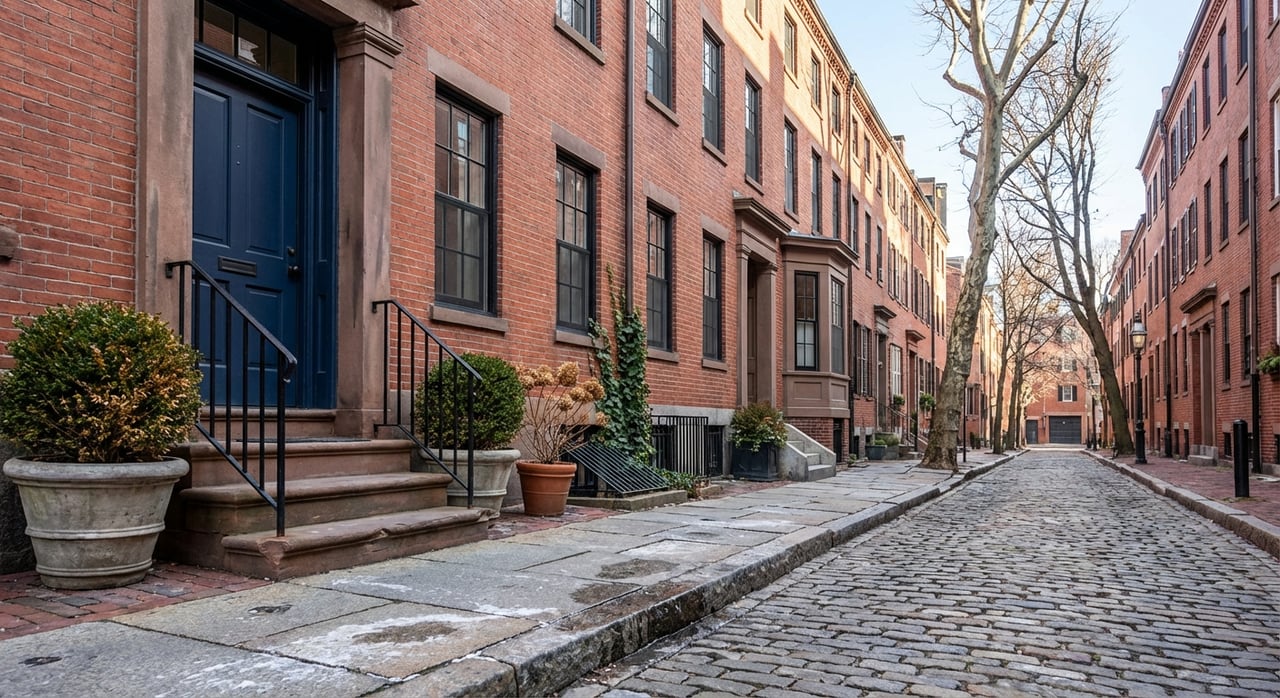
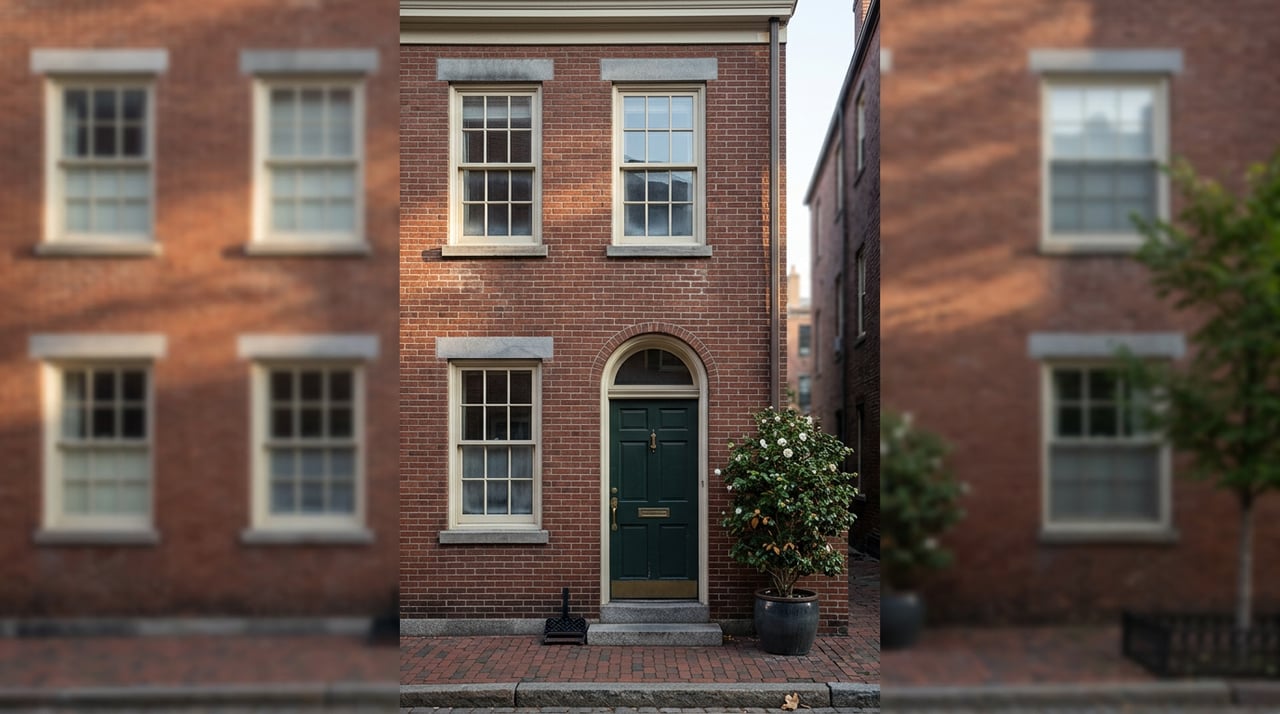
This is the postcard Charlestown look. You will find tight brick streets, narrow sidewalks, and classic rowhouses that create a village rhythm. Coffee stops and neighborhood bars cluster near Monument Square, which feels quiet on weekday mornings and livelier on weekends.
The presence of Bunker Hill Community College adds daytime energy on class days. The MBTA Orange Line’s Community College station sits nearby, putting downtown within a short train ride. If you value transit access, this corridor can streamline your commute.
Down by the piers, you will find condo buildings, landscaped paths, and marinas. Weekends bring seasonal programming such as The Anchor and regular tourist flow tied to the Freedom Trail. Waterfront homes emphasize low‑maintenance living, building amenities, and access to the Harborwalk.
Main Street is the everyday retail spine with small grocers, restaurants, and services. You can cover many errands on foot, and larger shopping options sit in nearby districts. Expect more foot traffic here during peak hours.
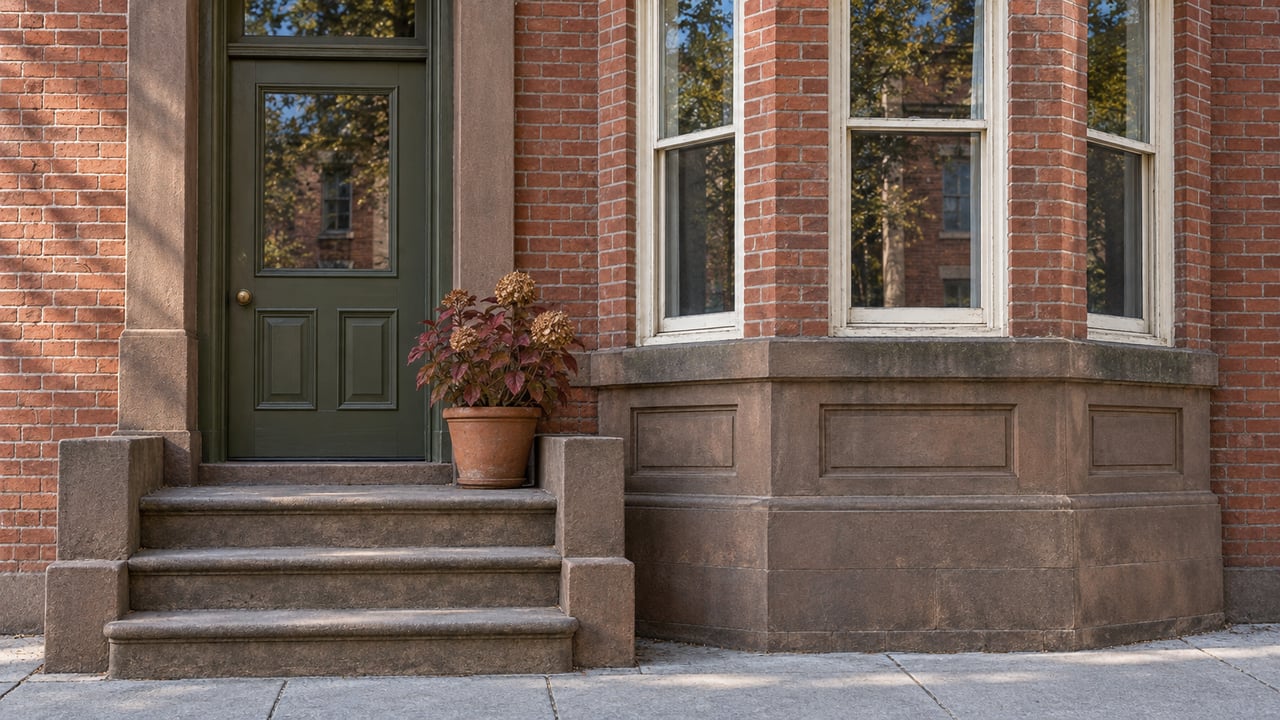
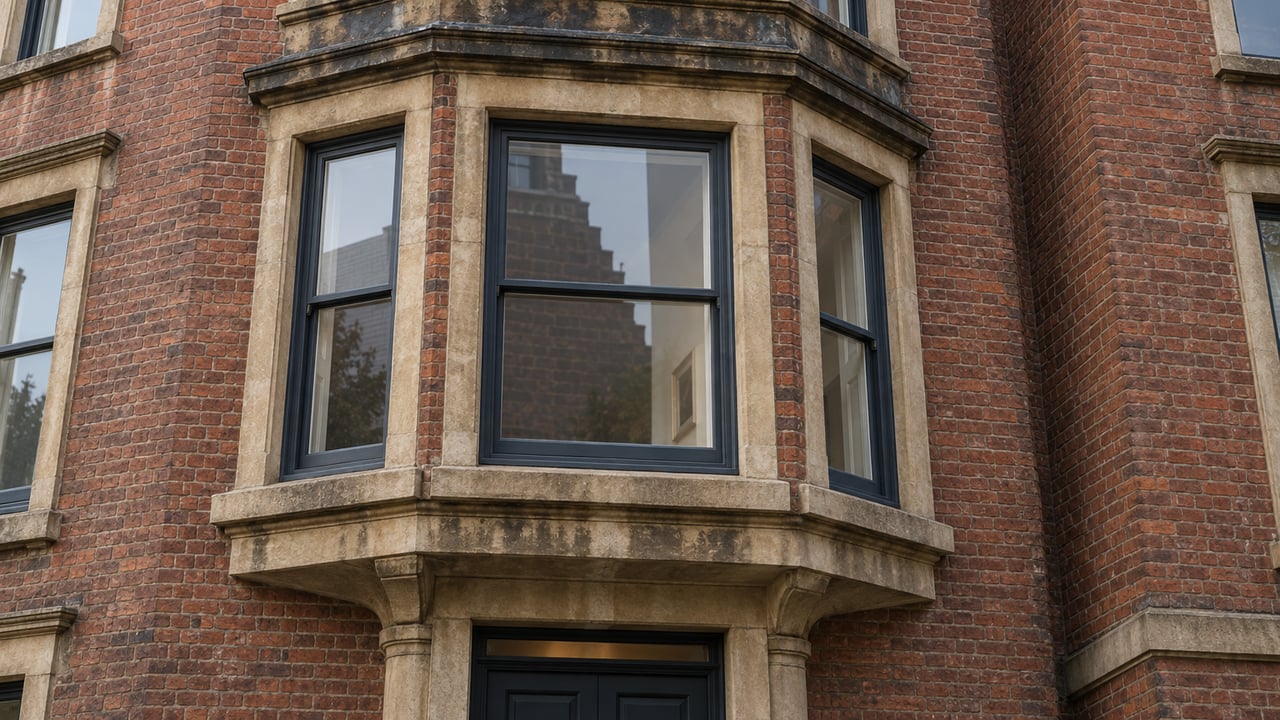
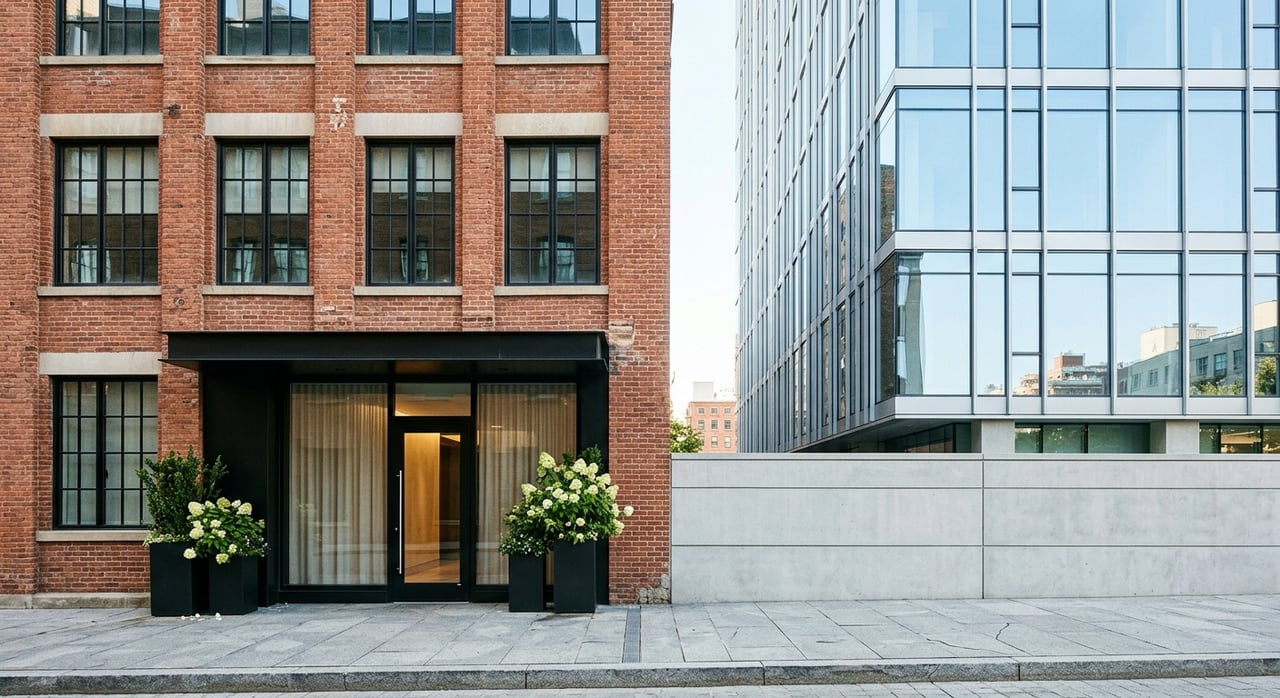
Charlestown offers three main living experiences. On the hill and historic blocks, brick and wood rowhouses and triple‑deckers are common. In pockets, you will find mid‑century public housing. Along the waterfront, newer condos and apartment buildings deliver elevators, garage parking in some cases, and amenity spaces.
These choices shape routines. Rowhouses often mean private entry, small outdoor nooks, and a stronger street presence. Condos emphasize convenience, on‑site storage, and building amenities, which can simplify weekends. In older blocks, private driveways are rare and narrow streets are common, so consider your parking needs. Historic districts may involve design review for exterior changes, and lowest‑lying waterfront units can carry different insurance needs.
Most weekday commutes lean on the MBTA Orange Line via Community College and Sullivan Square. Community College station connects you to North Station and downtown in minutes. Several bus routes run through Sullivan Square and along Main Street.
If you prefer the water, the MBTA ferry runs year‑round between Long Wharf and the Charlestown Navy Yard on route F4. By car, you have quick access to I‑93 via the Zakim Bridge, but local streets are narrow and on‑street parking is competitive in many areas. Most central blocks are walkable for errands and dining.
Charlestown anchors the northern end of the Freedom Trail, which runs from downtown to the Bunker Hill Monument and the Navy Yard. Expect more visitors near Monument Square and the piers on summer weekends. Residents often head to Shipyard Park and waterfront green spaces for morning walks, casual gatherings, and seasonal events.
The city is also investing in coastal parks and flood‑mitigation upgrades that intersect with recreation planning. That work will shape the feel and function of some waterfront spaces over time.
Families often consider local public K‑8 options such as Harvard‑Kent and Warren‑Prescott, and some look to nearby regional choices like Eliot K‑8. Boston Public Schools uses a choice and assignment process that can change, so confirm current details directly with BPS before you decide on a home.
Healthcare access is strong in the Navy Yard area, where Spaulding Rehabilitation Hospital’s main campus sits at 300 First Avenue. The Charlestown Branch of the Boston Public Library offers children’s and adult programming that many residents use week to week.
Charlestown is served by Boston Police District A‑15. Reported crime levels can fluctuate year to year by category, so it is best to review current official updates when you are close to making a decision. Newcomers also plug into local meetings and project updates through the Charlestown Neighborhood Council.
If you are considering a waterfront condo, factor in two topics early. First, verify flood‑zone status, building elevation, and any flood‑mitigation measures at the property. Second, review the master insurance policy and what it covers relative to your unit and personal property. The City of Boston’s coastal resilience planning outlines current and future projects that can inform your questions.
Housing costs in Charlestown tend to sit above the city median, with premiums for waterfront views and renovated historic homes. Prices vary block by block and by building, so live market data and a property‑specific review matter. For many buyers, the central question is maintenance style versus fees.
Rowhouse path: more control and space, but you handle exterior upkeep and potential masonry or systems updates.
Condo path: lower day‑to‑day maintenance, but association fees and rules apply. Parking availability also varies by building.
Planning and housing context: BPDA Charlestown profile
Charlestown could work well if you want:
Ready to see how these options line up with your budget, commute, and wish list? Start a tailored search with Steve Losordo & Jillian Reig. Book a Consultation to map the right streets and buildings for your lifestyle.
Stay up to date on the latest real estate trends.


Buying, selling, or investing in Boston real estate? Reig + Losordo provides personalized strategies, market expertise, and a seamless experience from start to finish. With deep local knowledge and a proven track record, we’re here to help you navigate every step with confidence. Let’s make your next move a success.
Get In Touch With Our Team

ADDRESS 399 Boylston St Boston, MA 02116