Are you drawn to bright, modern condos with skyline views, full-service amenities, and restaurants at your doorstep? If you are eyeing Boston’s Seaport District, you are looking at the city’s most contemporary, amenity-forward condo living. You want clarity on what you get, what it costs, and how presales work before you commit. This guide gives you a clear, practical overview of Seaport new-construction living, from amenities and ownership costs to presale timelines, upgrades, and key due diligence. Let’s dive in.
Why Seaport new construction stands out
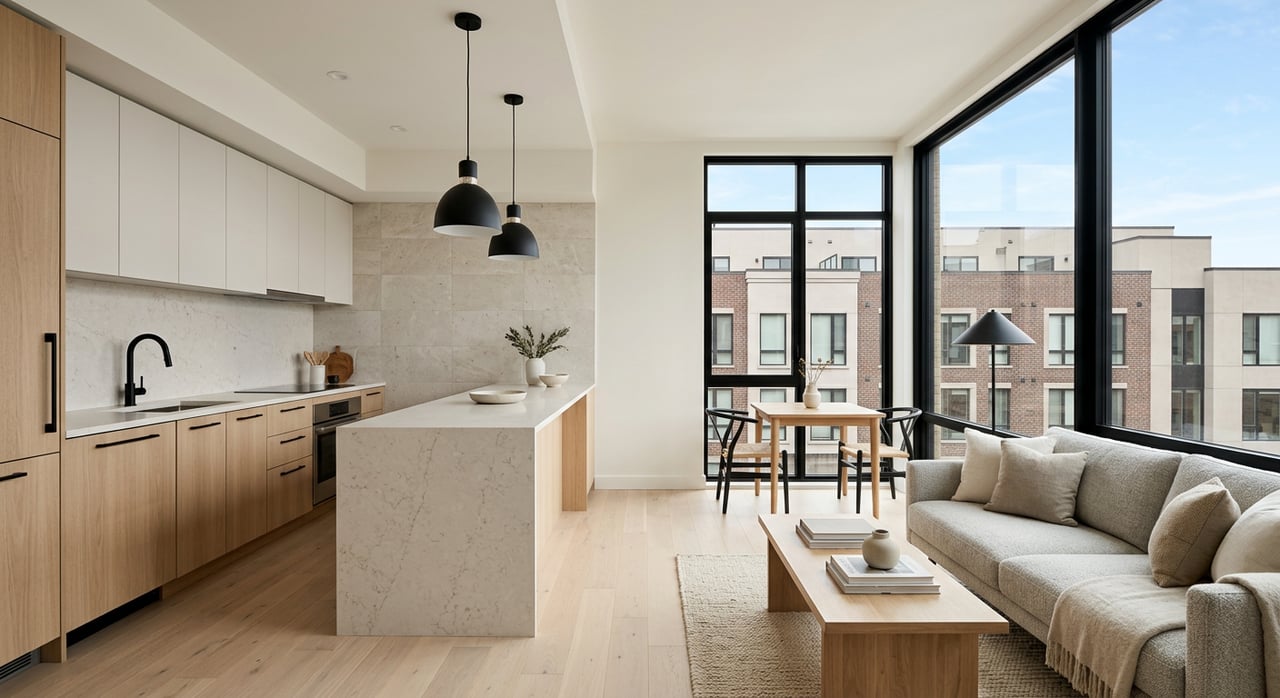
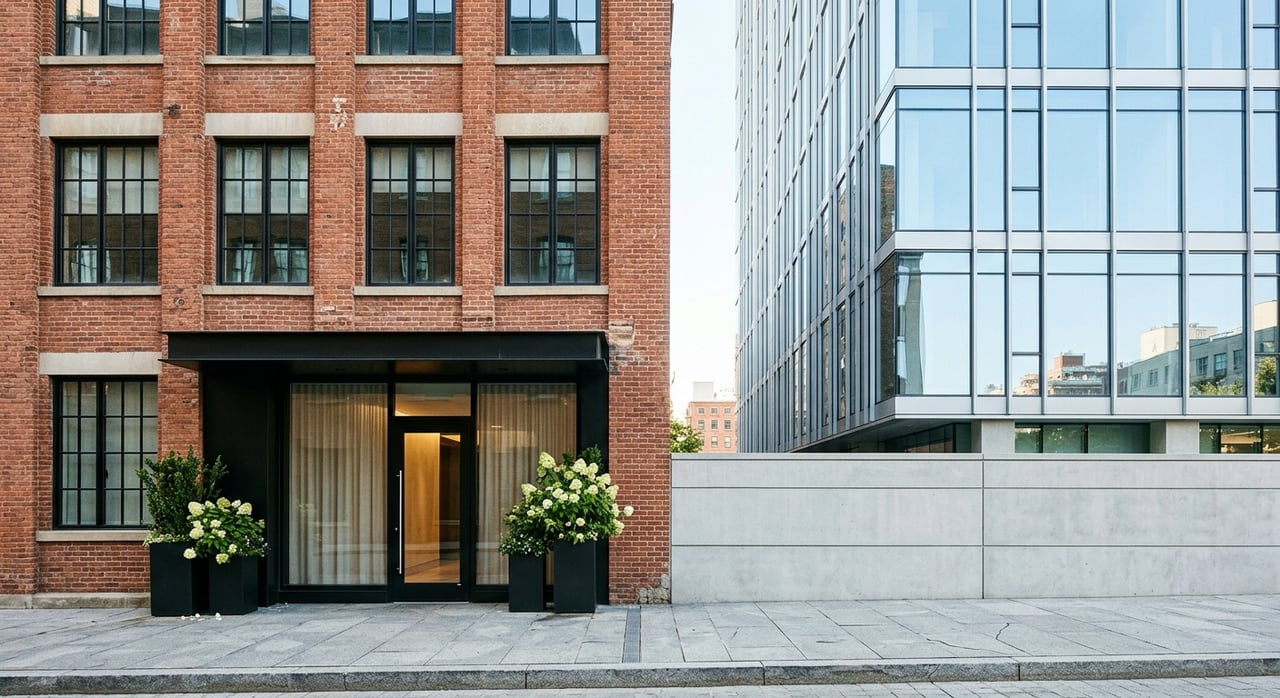
Seaport condos lean into contemporary design. You will see glass façades, open living spaces, 9 to 10-foot ceiling lines, and floor-to-ceiling windows that maximize daylight and views. Kitchens often feature integrated luxury appliances and clean-lined cabinetry. Many homes offer private outdoor space, from Juliet balconies to broad terraces.
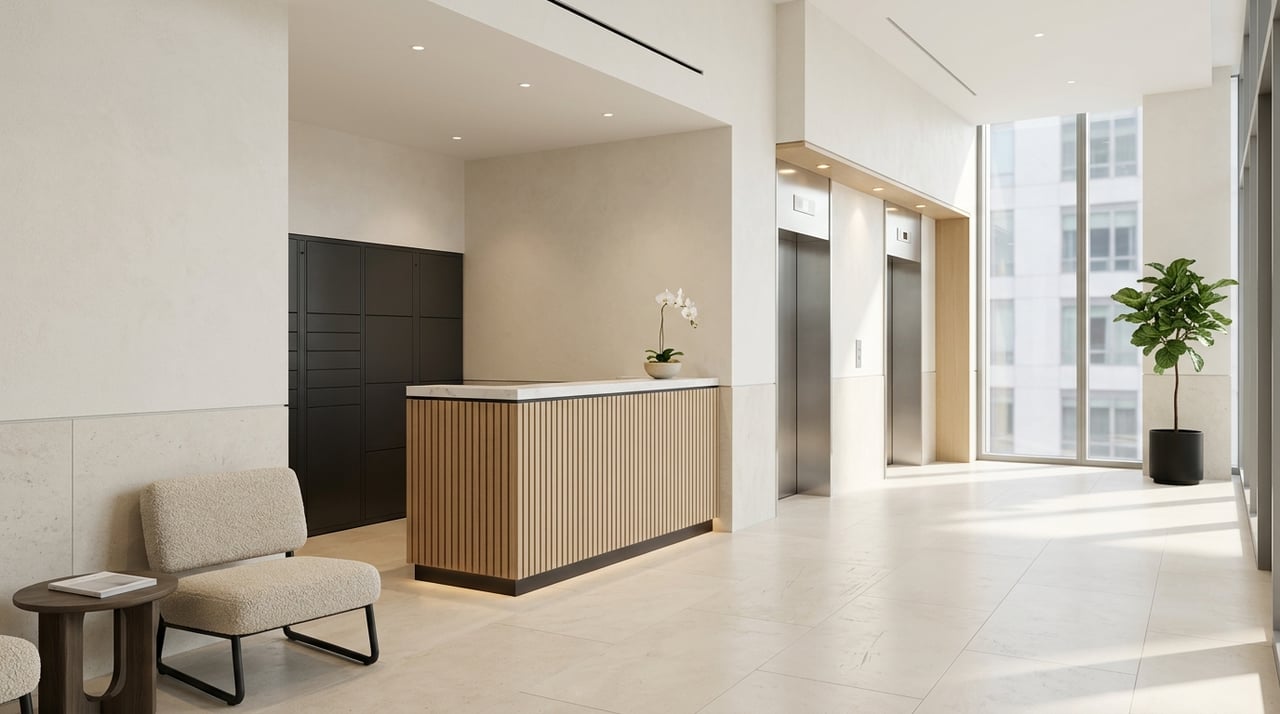
Amenities are a defining feature. Larger developments deliver resort-scale programs: 24-hour concierge, valet or garage parking, indoor and outdoor pools, full fitness and wellness centers, sky lounges and terraces, co-working spaces, golf simulators, and pet amenities. For many buyers, these services replace off-site memberships and simplify daily life.
Representative buildings show the range:
- Echelon Seaport highlights the amenity-first model with multiple pools, wellness and sports spaces, sky lounges, and retail at street level.
- Pier 4 Residences offers a boutique, harbor-facing experience with strong private outdoor space and direct Harborwalk access.
- St. Regis Residences Boston sets the bar for five-star services and staffing, with homeowners’ association fees at the upper end of the market.
Seaport is one of Boston’s highest price-per-square-foot submarkets for new luxury product, which reflects the bundled services, location, and modern design. Neighborhood median prices can swing month to month based on a small number of high-end closings, so use rolling 12-month data for a more stable view as you plan.
What it costs to own day to day
When you evaluate Seaport living, look beyond the purchase price to the full monthly picture.
- HOA dues. In amenity-rich towers, dues range from the mid-hundreds to several thousand dollars per month depending on unit size and service level. Staffing, pools, and hotel-style services raise operating costs. You get value in convenience, but budget for it and ask for a sample monthly for a similarly sized unit.
- Parking and storage. Most buildings offer garage parking, often sold or assigned separately. Confirm whether a space is included, if there are fees, and how many are available per unit. If you plan to charge an EV, ask about charging stations and the association’s policy or plan for future infrastructure.
- Insurance and resilience. The Seaport sits on Boston’s waterfront and is a focus of the city’s climate resilience planning. Ask for details on building-level flood and storm measures, the scope of the association’s master insurance policy, and any recent claim history. For context on insurance in residential transactions, review the state’s overview on the Massachusetts insurance framework. For broader resilience context, explore the city’s Climate Ready work, which addresses coastal exposure and neighborhood strategies through the Climate Ready Boston initiative on Boston.gov.
How a Seaport presale works
Buying before completion gives you customization and early access to prime lines. The typical flow looks like this:
- Reservation. You place a small deposit to hold a unit or line while documents are prepared.
- Purchase agreement and escrow. You sign the developer contract and fund your initial deposit. Confirm the escrow holder and refundability triggers in writing.
- Staged deposits. Many projects require staged deposits that total about 10 to 30 percent before closing. Get the exact schedule and dates.
- Design selections. You visit a selection center to choose finishes. Expect a base package plus priced upgrades. Watch deadlines closely, since missed dates can limit choices or increase costs.
- Construction updates. The team provides milestone updates and a projected delivery window. Ask for a longstop date and remedies if delays extend beyond it.
- Pre-closing walkthrough. You complete a punch list for final adjustments.
- Closing. You fund the balance, the association begins operations, and you receive keys.
What to ask at selections
Use your appointment to lock in daily-life upgrades that add utility and resale appeal.
- Kitchen: appliance package tiers, ventilation type, panel-ready options, island size and outlets.
- Cabinetry and counters: finish palettes, edge profiles, backsplash options, and storage inserts.
- Flooring and tile: upgrade pricing for wide-plank or stone, shower tile to ceiling, slip-resistance for bath floors.
- Lighting and electrical: under-cabinet lighting, dimmers, extra outlets for work zones, smart-switch compatibility.
- Technology: prewires for window shades, speakers, and data; home automation integration; thermostat type and zoning.
- Closets and storage: built-in organizers, laundry room shelves, and mudroom or entry storage.
- Bath features: shower fixture upgrades, heated floors where allowed, niche and bench details.
- Outdoor space: decking materials, gas or water line availability if permitted, lighting.
- Parking: EV charging readiness and any fees for dedicated chargers.
Get a written line-item summary with prices before you leave, and keep a firm allowance cap to avoid scope creep.
Key documents and diligence
Massachusetts condominium law under M.G.L. c.183A sets the framework for condo governance and owner rights. Request these materials early and review them with your agent and attorney:
- Draft master deed, bylaws, and rules. Confirm voting thresholds, leasing and short-term rental rules, pet policies, and use restrictions.
- Budget and reserves. Ask for the most recent or projected operating budget, any reserve study or reserve policy, and a sample HOA charge for a unit like yours. Understand how reserves are calculated and funded.
- Deposit schedule and escrow. Confirm amounts, due dates, refundability triggers, and who holds escrow.
- Construction schedule. Ask for milestones, a longstop date, and remedies for extended delay.
- Insurance summary. Review the master policy scope and deductibles, plus any flood-specific measures or certifications.
- Warranty program. Understand the claims process and coverage windows for finishes versus structural items.
- Assignment policy. Some contracts limit or require approval for assignments.
- Parking and storage. Confirm allocation policies, fees, EV charger policy, and any waitlists.
- Turnover timing. Learn when control of the association shifts from the developer to owners and how that affects governance and budgeting.
Red flags to avoid:
- No draft condo documents available before signing.
- Opaque or minimal reserve funding.
- Excessive developer control with no clear turnover schedule.
- Unclear flood or resilience details.
- Large unsold inventory close to turnover, which can signal absorption risk.
Seaport vs Back Bay and Waterfront
If you are deciding between neighborhoods, weigh design, daily life, and commute.
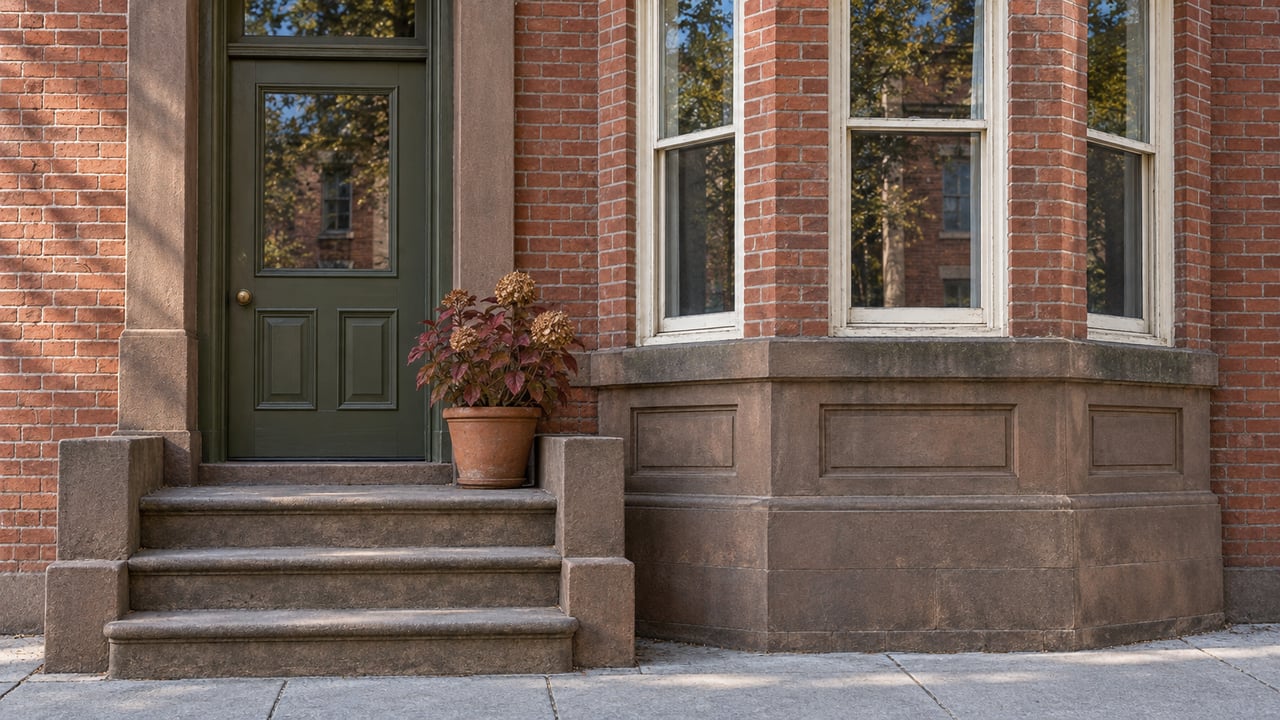
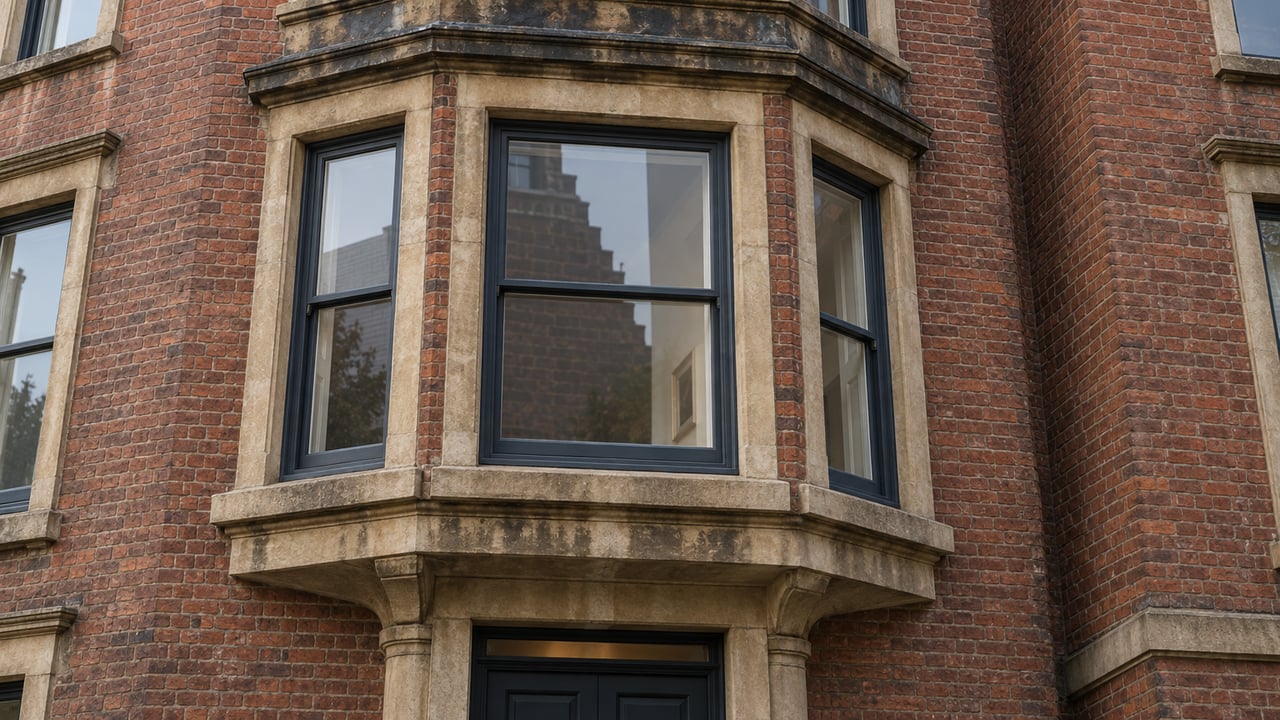
- Design and amenities. Seaport offers brand-new towers with modern finishes and extensive amenities. Back Bay and the Waterfront lean more historic and boutique, with character-rich brownstones and established towers that often have smaller amenity footprints but classic layouts.
- Retail and dining. Seaport has become a dining and entertainment cluster, with waterfront restaurants and destination spots around Fan Pier and Pier 4. For a taste of the local scene, scan this overview of Seaport restaurants and hotspots. Back Bay centers on Newbury Street boutiques and cafés, plus the Prudential corridor.
- Transit and commuting. Seaport access focuses on Silver Line stops at Courthouse and World Trade Center, bus routes, water taxis and ferries, Bluebikes, and rideshare. The area is very walkable to Seaport offices and to South Station. The city outlines long-term connectivity goals in the South Boston Seaport Strategic Transit Plan.
- Market dynamics. Seaport’s price per square foot often runs higher due to new construction and robust services. At the ultra-luxury level, recent reporting notes slower absorption in some top-tier towers citywide, which matters if your time horizon is short. See coverage of luxury condo sales trends in the Wall Street Journal.
Timeline and financing planning
You can finance a presale, but lenders underwrite both you and the project. If you plan to use FHA, VA, or agency products, confirm project eligibility early since not every building is approved at delivery. Ask your lender about new-construction rate-lock options and plan for interest-rate movement between reservation and closing. You will also want clear guidance on condo budget reviews, pre-sale thresholds, and litigation checks, which can impact loan approval and timing.
Is a Seaport condo right for you?
Choose Seaport if you value modern design, natural light, private outdoor space options, and on-site services that streamline daily life. You will pay more for amenities and staffing, but they deliver convenience and a turnkey lifestyle. If you prefer classic architecture, traditional room layouts, and a quieter amenity profile, you may lean to Back Bay or the Waterfront. Either way, a clear plan, careful document review, and a well-managed selection process will help you secure the right home at the right terms.
When you are ready to explore floor plans, amenity stacks, and premarket opportunities, connect with Steve Losordo & Jillian Reig for one-on-one guidance. Our neighborhood-focused team brings deep Seaport and Back Bay expertise, new-development experience, and a calm, client-first process from search through closing.
FAQs
What are typical HOA dues in Seaport condos?
- In amenity-heavy Seaport towers, monthly dues commonly range from the mid-hundreds to several thousand dollars depending on unit size and service level; always request a sample monthly for a similar unit and the projected association budget.
How does parking work in Seaport condo buildings?
- Most buildings offer garage parking that may be sold or assigned separately; confirm if a space is included, any monthly fees, guest policies, storage options, and the building’s EV charging policy or plan.
What should I know about flood risk in the Seaport?
- Ask the sales team for building-level resilience features, the master insurance policy scope, deductibles, and any recent claims; review the city’s Climate Ready work on Boston.gov for broader coastal planning context and budget for potential insurance changes.
Can I finance a presale purchase, and what can delay approval?
- Yes, but lenders underwrite the project and the buyer; project eligibility, pre-sale thresholds, budget strength, and legal or insurance items can affect approval and timing, so confirm requirements early.
How do Seaport condos compare to Back Bay for daily life and resale?
- Seaport emphasizes new construction, large amenity programs, and waterfront dining access, while Back Bay offers historic homes, boutique buildings, and Newbury Street retail; resale depends on product type and timing, so focus on floor plan quality, finish level, and a 5 to 7-year horizon for best flexibility.