Back Bay vs Beacon Hill Condos in Boston: How to Choose
February 5, 2026
February 5, 2026
Trying to decide between a condo in Back Bay or Beacon Hill? You are not alone. Both neighborhoods are iconic, beautiful, and among Boston’s most desirable places to live, which makes choosing feel like a high-stakes decision. In this guide, you will learn the key differences in buildings, amenities, costs, commute, and lifestyle so you can pick the neighborhood that fits how you want to live. Let’s dive in.
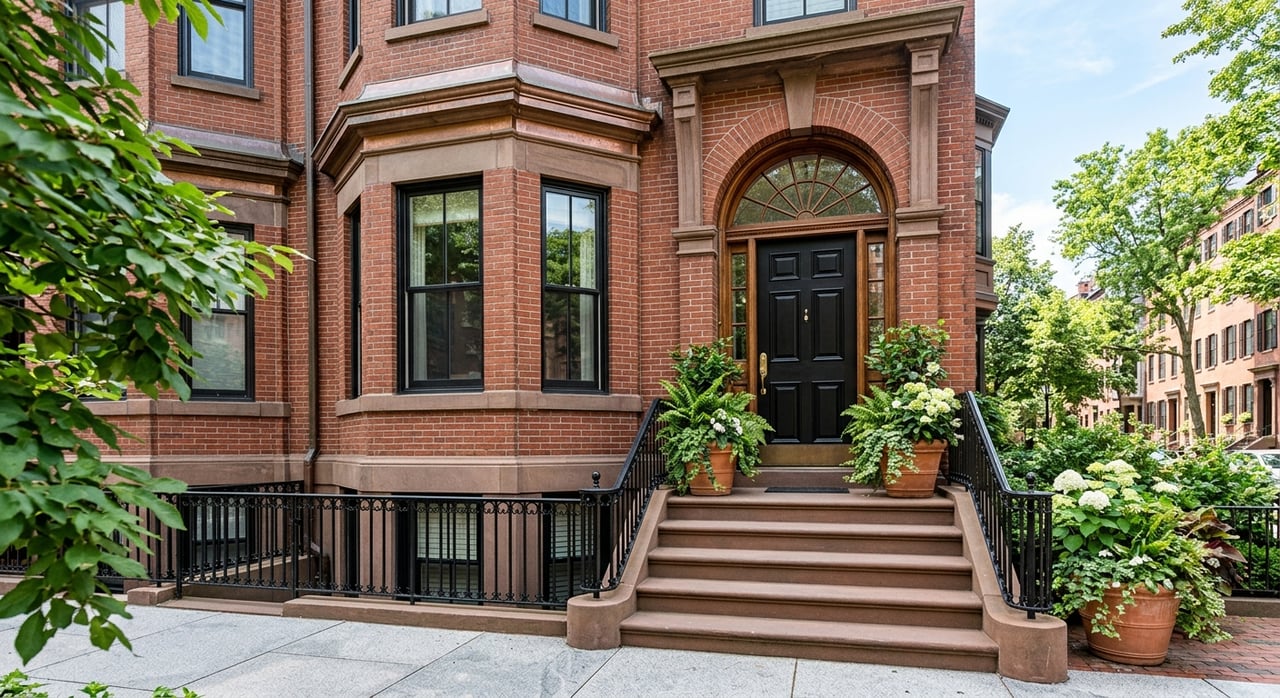
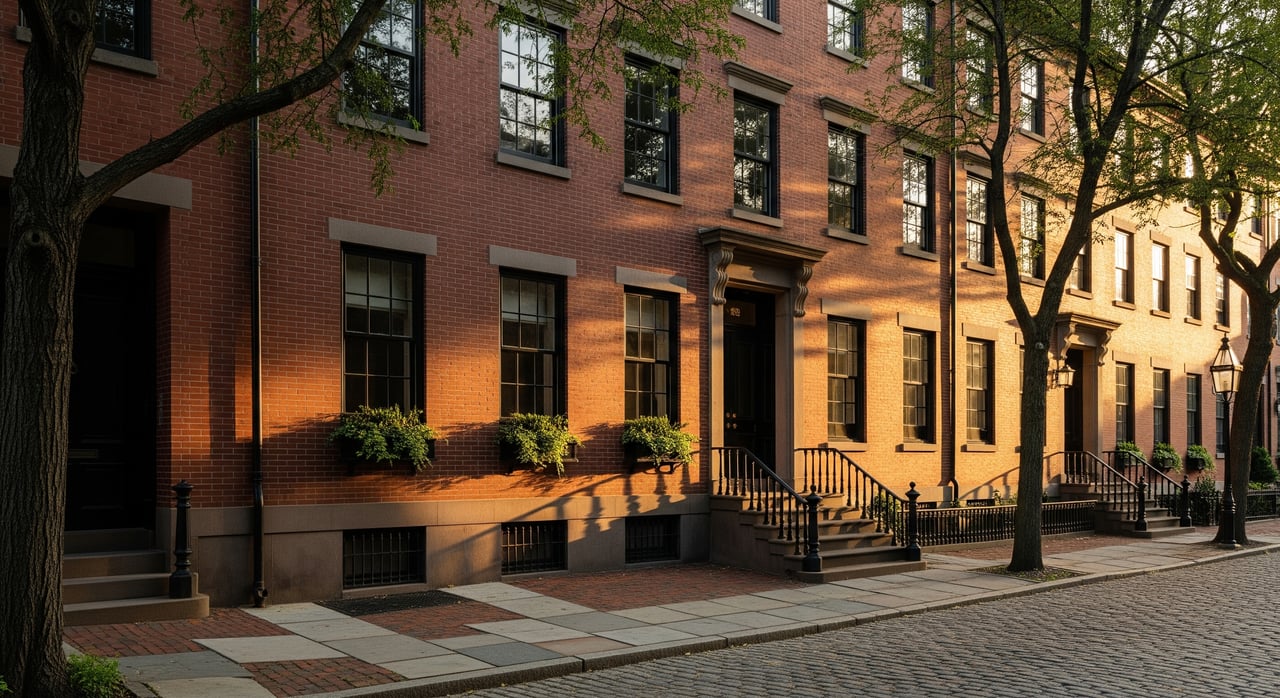
Back Bay follows a clean street grid with broad, tree-lined avenues and landscaped malls. You will find Copley Square, the Prudential Center area, and bustling shopping along Newbury and Boylston. The housing mix blends 19th-century brownstones with mid and high-rise buildings, so the scale feels grand and active.
Back Bay is a nationally recognized historic district and part of a local architectural district. Exterior changes typically go through design review, which helps preserve the neighborhood’s character.
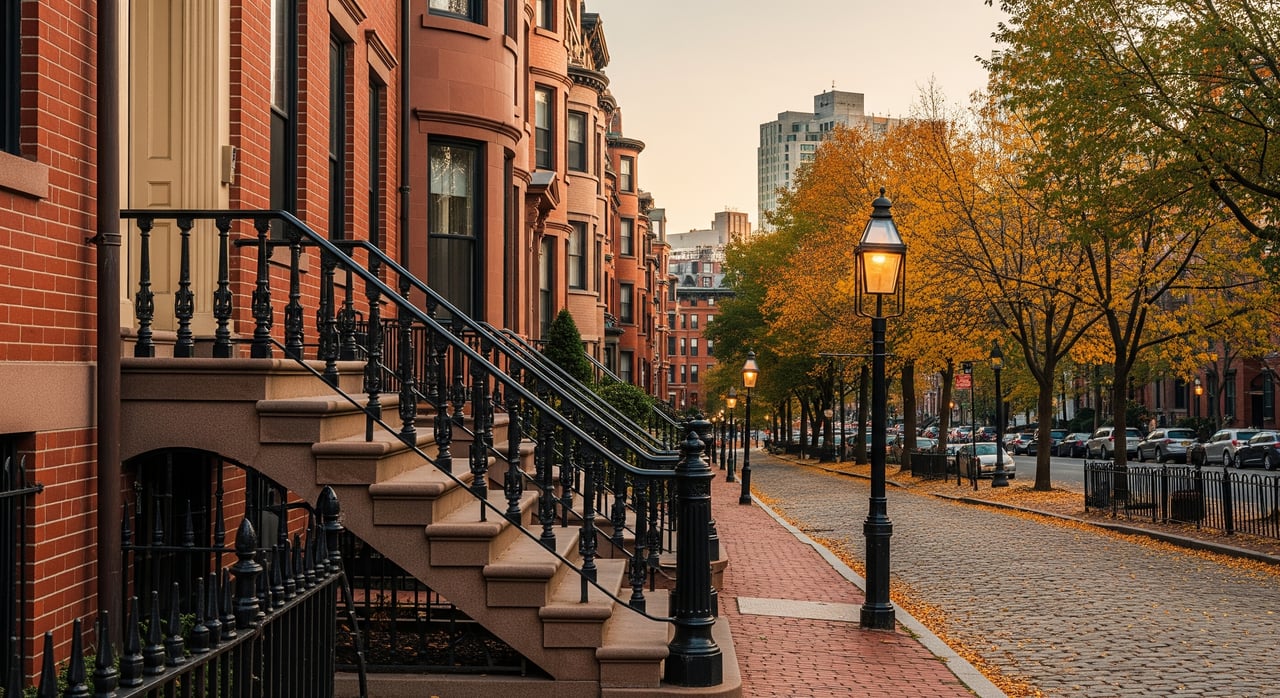
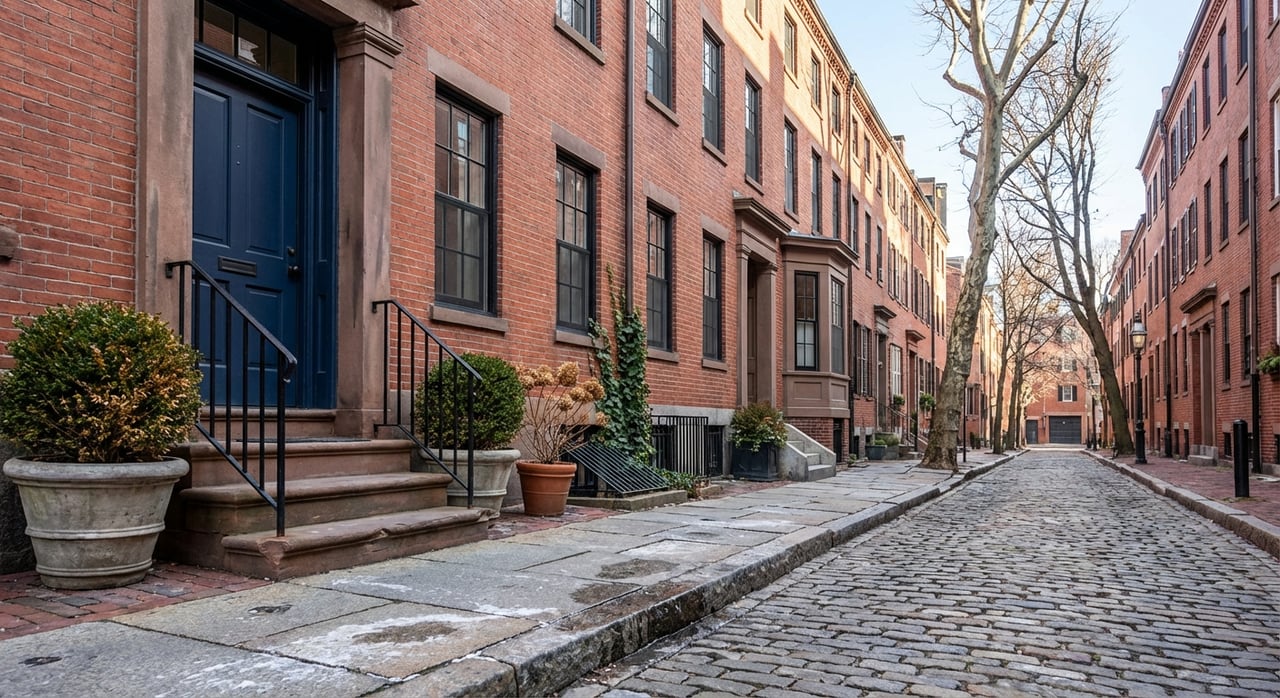
Beacon Hill’s narrow, winding streets, brick sidewalks, and gas lamps create a classic Boston look and feel. Charles Street’s boutiques and cafés anchor daily life, and you are within a short walk of the Massachusetts State House, Boston Common, and the Public Garden. Evenings tend to feel calmer and more residential.
Beacon Hill is one of Boston’s most closely protected historic districts. Exterior work often requires approval from the local architectural commission, which keeps the streetscape remarkably consistent over time.
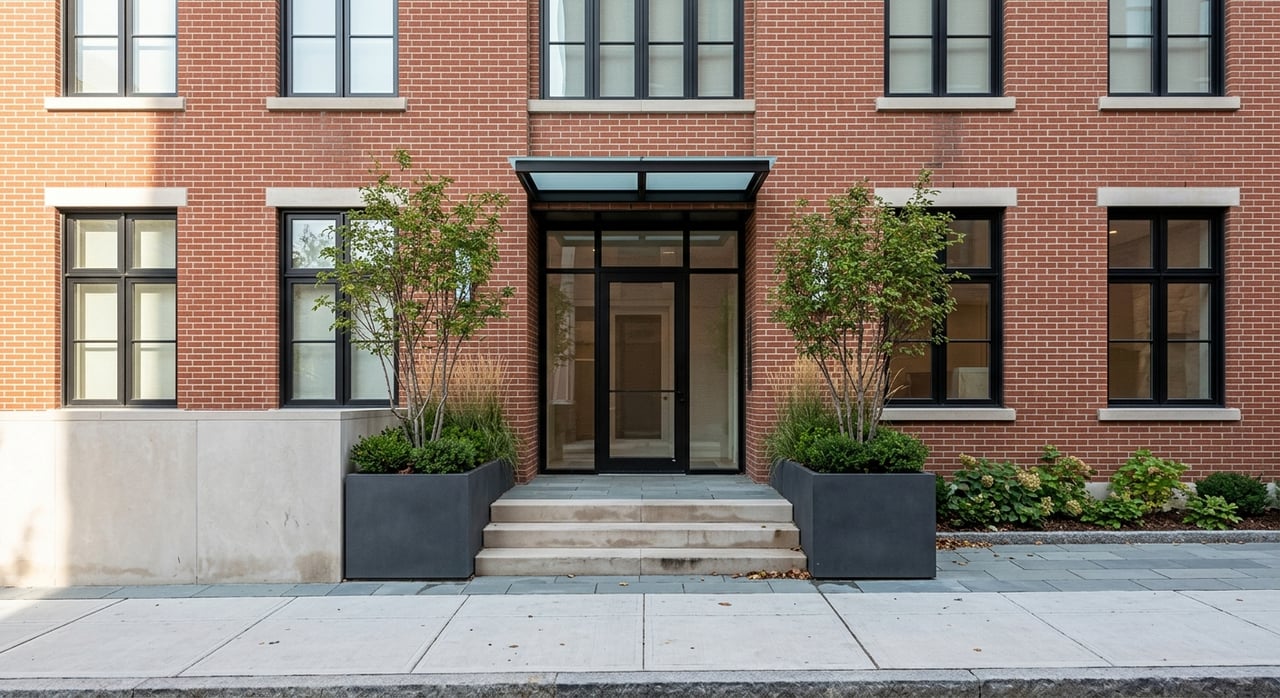
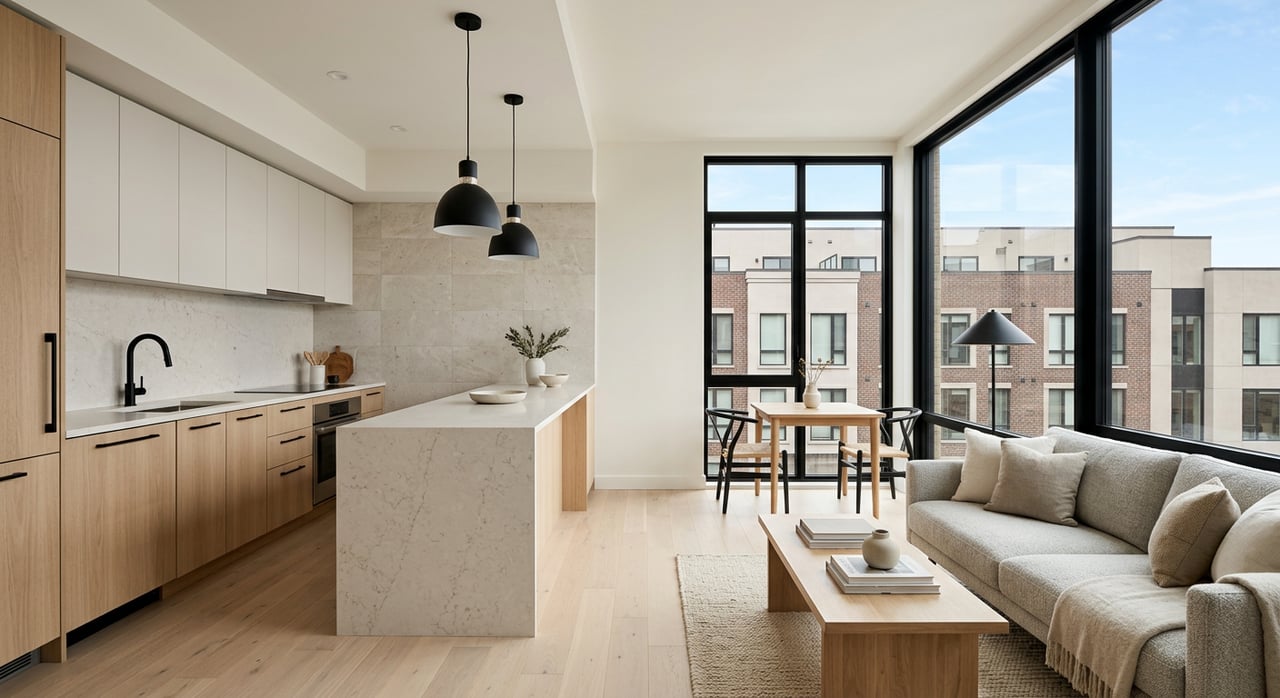
Back Bay offers a wider range of building types. You will see brownstone conversions, purpose-built luxury towers with doormen and concierge services, and mixed-use buildings near the Prudential and Back Bay Station. Units often include in-unit laundry, central air, elevators, secure lobbies, modern kitchens, and open floor plans. Deeded or in-building garage parking is more common here than in Beacon Hill.
Amenities can be extensive in higher-end Back Bay buildings. Think fitness rooms, resident lounges, storage rooms, and sometimes guest suites. These services add convenience and can support resale appeal.
Beacon Hill is defined by townhouse and rowhouse conversions, often with one unit per floor and very few total units per building. Elevators are less common, many kitchens are smaller, and some buildings rely on shared laundry or compact in-unit setups. Rooms can be narrow or irregular due to historic floor plates.
Parking is scarcer and often separate from the building. You trade some modern conveniences for significant historic character.
Both neighborhoods are highly walkable. Back Bay delivers dense retail corridors along Newbury, Boylston, and the Prudential area. Beacon Hill focuses on smaller shops and cafés along Charles Street and nearby pockets of downtown. Choose the vibe that feels most like your day-to-day.
Beacon Hill sits next to the Boston Common and Public Garden and is a short walk to the Charles River Esplanade. Back Bay also borders the Public Garden and has easy access to the Esplanade via nearby bridges. Both locations work well for daily runs, bike rides, and fresh air.
Prices in both neighborhoods rank at the top of the Boston market. There is wide variability based on the details. Higher floors, city or river views, parking, and building services push prices up. Per-square-foot values can run high for modern, well-located Back Bay units and for carefully restored Beacon Hill residences with strong historic appeal.
If you are comparing, line up apples to apples. A Beacon Hill one-bedroom in a small building may price near a Back Bay one-bedroom in a brownstone conversion, while a large Back Bay condo with garage parking and concierge service will usually command a premium.
Low inventory and high demand create competition when good units hit the market. Beacon Hill’s preservation rules limit large-scale new supply, while Back Bay has more, though still limited, redevelopment and luxury conversions. Seasonality and employer cycles can also influence activity. When you are ready, current MLS data will give the clearest read on pricing and competition.
Both neighborhoods have strong historic oversight. Exterior work, including windows, masonry, and visible mechanicals, often requires review and approval by the local architectural commission. This protects neighborhood character but can add steps and time to a project.
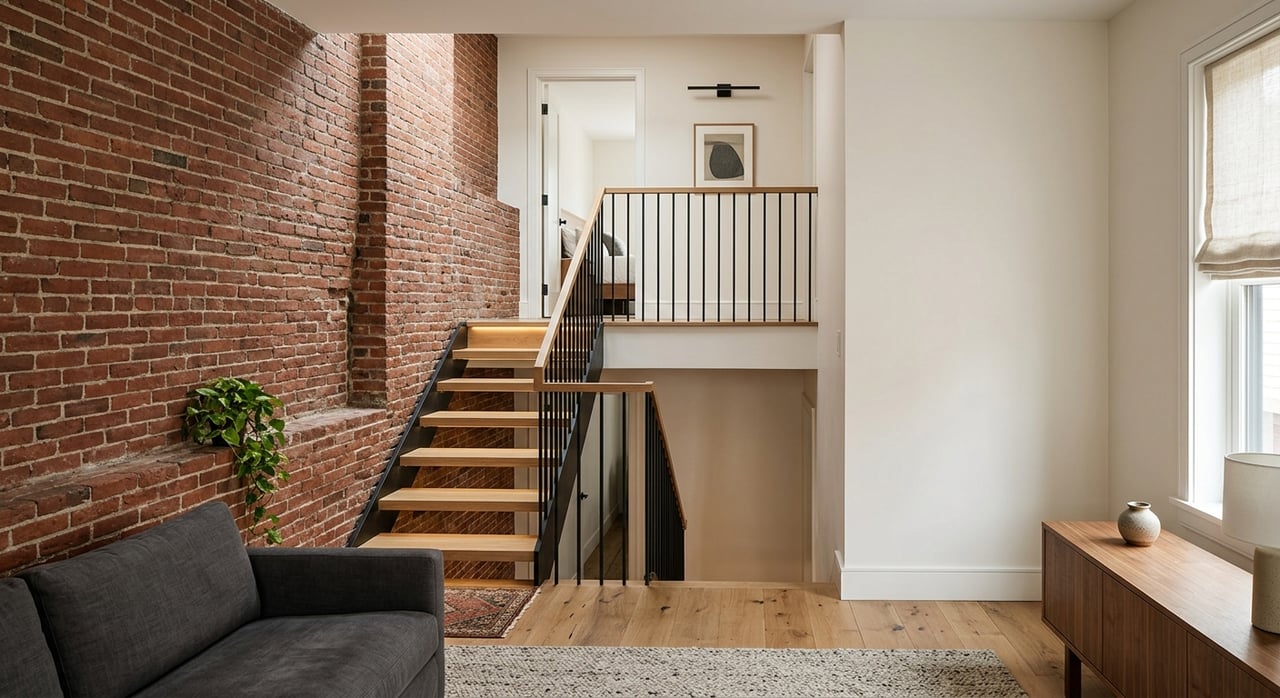
Interior renovations are generally possible, but structural, HVAC, plumbing, and electrical work require permits and inspections. If your plan affects common systems or egress, expect added review. Always check your condo docs for renovation rules and timelines.
Note that some historic buildings may be co-ops or have unique ownership structures. This guide focuses on condos. If you consider a co-op, review financing, board approval, and subletting policies in detail.
Use this simple list to focus your search:
When you are ready, tour a few well-matched options in each neighborhood. Side-by-side showings reveal tradeoffs quickly, and current comps can help you calibrate price, fees, and value.
Ready to find the right fit? Reach out for a tailored list of on and off-market condos and a clear plan for comparing total monthly costs, amenities, and long-term value. Connect with Steve Losordo & Jillian Reig to get started.
Stay up to date on the latest real estate trends.

Buying, selling, or investing in Boston real estate? Reig + Losordo provides personalized strategies, market expertise, and a seamless experience from start to finish. With deep local knowledge and a proven track record, we’re here to help you navigate every step with confidence. Let’s make your next move a success.
Get In Touch With Our Team

ADDRESS 399 Boylston St Boston, MA 02116