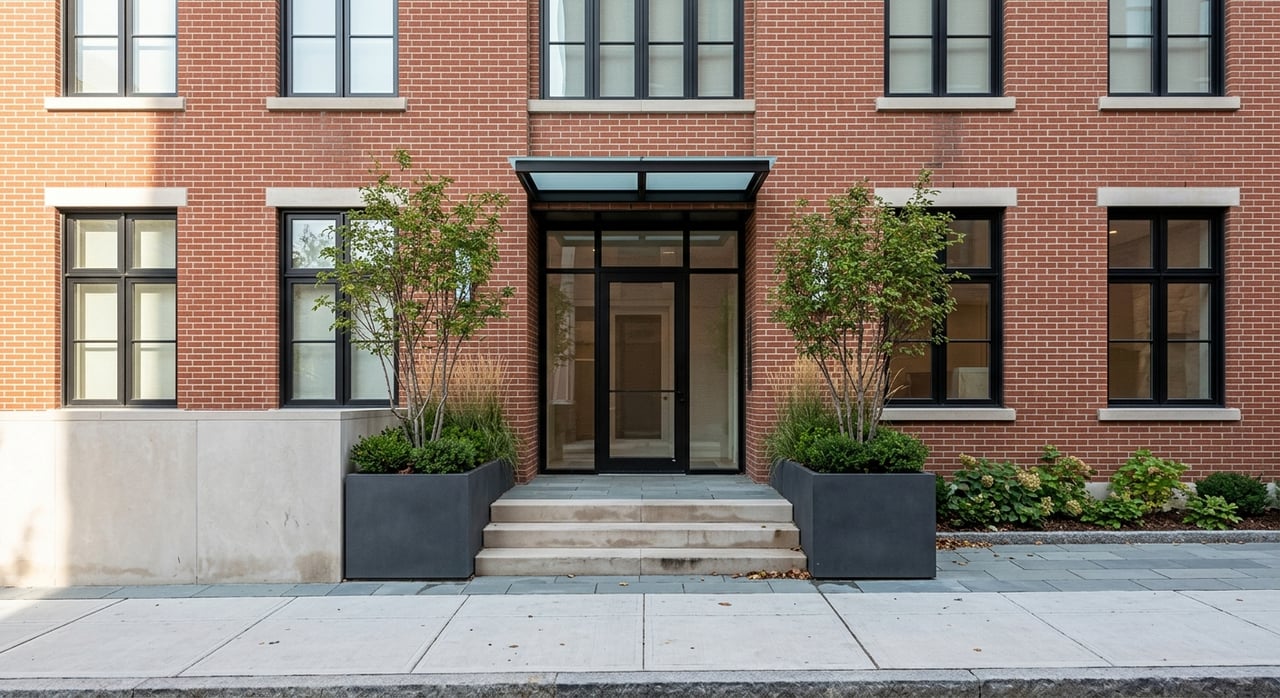
Seaport Condo Presales Strategy for Boutique Developers
May 7, 2026
May 7, 2026
Selling out a boutique condo project in Seaport is not just about glossy renderings and a strong address. In today’s market, buyers are still willing to pay a premium, but they are more selective, more price-aware, and more focused on the full story behind a building. If you are planning a launch in Boston’s Seaport District, the right presales strategy can help you protect pricing, build momentum, and avoid costly delays. Let’s dive in.
Seaport remains one of Boston’s premium condo submarkets, and the pricing data shows that clearly. Boston.com’s 2024 market recap reported an average price per square foot of $1,738 in Seaport, with homes selling at 97.43% of list price and an average 81 days on market. Redfin’s March 2026 snapshot placed the median sale price near $2.98 million, with median days on market at 93.
That tells you two things at once. First, Seaport still supports premium pricing. Second, it is not a market where you can assume fast absorption just because the product is new or high-end.
Citywide, Boston.com reported condo inventory rose 7.3% in 2024, and most sales closed slightly under asking. Seaport stayed on buyers’ radar, but the market became less forgiving than the peak-cycle luxury years. For boutique developers, that makes launch strategy more important than ever.
A Seaport presales campaign should begin with pricing discipline, not just branding ambition. Buyers in this submarket understand the premium, but they are still comparing value, timing, views, and the overall product story. If your opening prices sit too far above current comp behavior, you risk slower absorption and longer carry time.
That risk becomes even clearer at the very top of the market. Boston.com reported in April 2026 that the St. Regis Seaport penthouse, listed at $44.5 million, had been on the market for more than 300 days. While that is an ultra-luxury example, it is a useful reminder that attention and absorption are not the same thing.
For boutique projects, the goal is usually to preserve pricing power through a well-sequenced release. That often means launching with a clear opening tranche, pricing distinctions that buyers can easily understand, and a framework that reflects view premiums, floor level, and exposure. In Seaport, buyers will often pay for the right product, but they are unlikely to reward vague pricing logic.
In Seaport, presales timing has to match entitlement reality. Boston projects often intersect with Article 80 review, and Boston Planning states that Large Project Review applies to new development projects of 50,000 square feet or more and rehabilitation projects of 100,000 square feet or more. That review can address transportation, environmental, public realm, and historic impacts, and it can also lead to design changes or mitigation requirements.
Even before that threshold, zoning needs close attention. Boston’s zoning guidance notes that the city’s zoning viewer can help determine whether a use is allowed, conditional, or forbidden, and whether height, lot size, or other dimensional limits may require relief. If zoning relief is needed, the city notes that the process can add months to the project schedule.
That matters for your sales plan. Rather than setting a launch date based on construction ambition alone, it is smarter to map presales milestones to actual entitlement milestones. Buyers and brokers respond better when delivery windows, legal documents, and project status are presented with clarity and consistency.
In Massachusetts, condominiums are governed by Chapter 183A. State guidance highlights the importance of the master deed, unit deed, declaration of trust and bylaws, reserve budgeting, insurance, and related governance documents. For a boutique development, these are not back-office details. They shape how buyers understand ownership, monthly costs, and long-term building operations.
In other words, your legal package supports your sales story. If your documents are well organized and presented clearly, buyers gain confidence in the project. If they feel unfinished or vague, even strong interest can slow down.
This is especially important in a market like Seaport, where buyers often expect a polished, institutional-grade experience. Boutique scale can be a strength, but only if the project feels buttoned up from the start.
Article 80 filings also come with communication requirements. Boston requires project-specific Language Access Plans for Large Project and PDA filings, including interpreters for public meetings and translated vital documents or fact sheets. That means communication planning should begin early, not after marketing is already underway.
For developers, this has a direct presales impact. Floor plans, buyer-facing collateral, public materials, and broker updates should be organized into a system that can evolve as pricing, approvals, and delivery timing change. A clean process helps you maintain trust with both the market and the community.
This approach also supports the kind of high-touch experience sophisticated buyers expect. When information is easy to access and professionally presented, your team reduces friction and builds credibility.
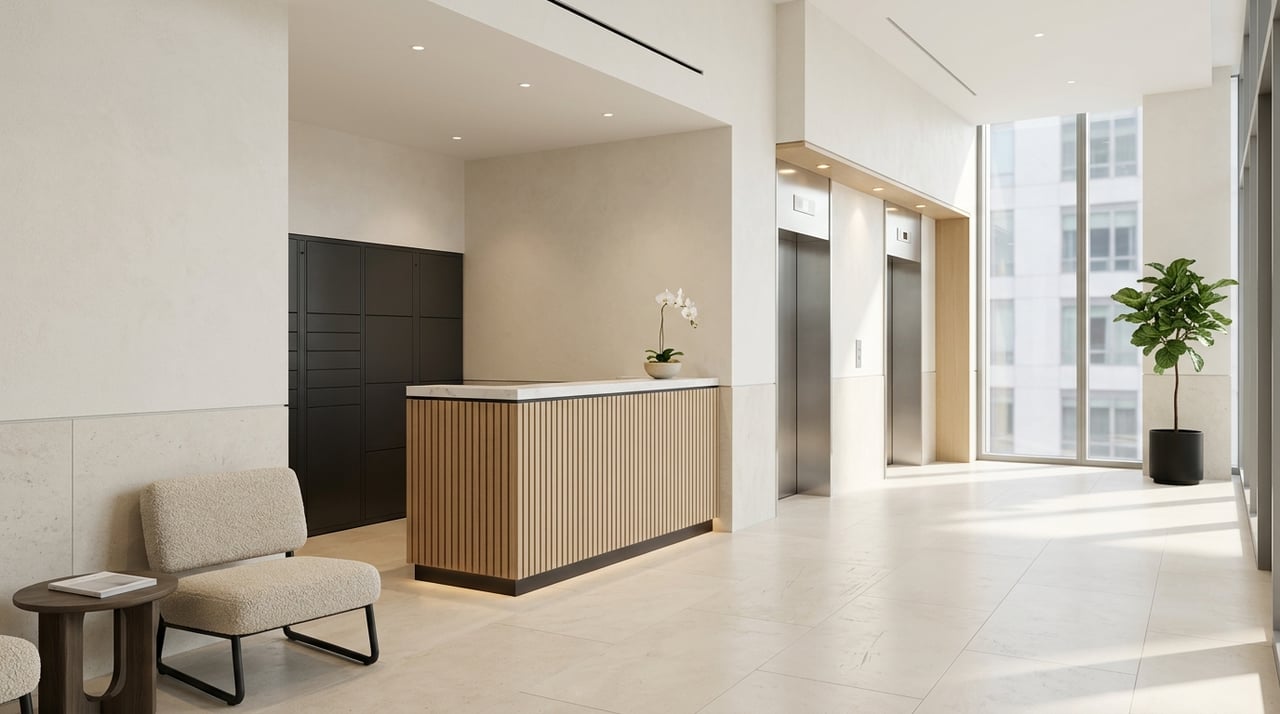
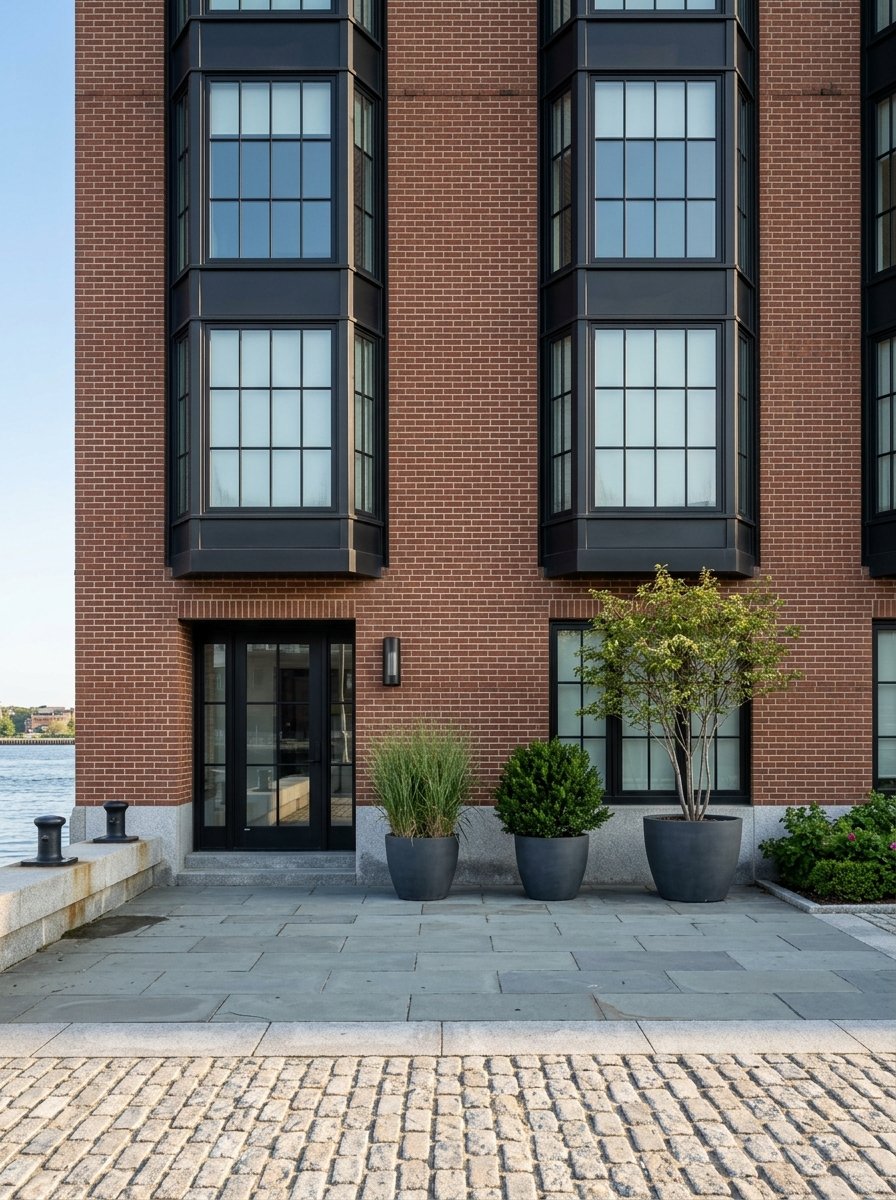
Seaport buyers are not only evaluating finishes. They are also buying the setting, the building experience, and the convenience of daily life. That is why a presales strategy should connect the unit to the larger neighborhood story in a practical, concrete way.
Boston.com’s coverage of luxury residential amenities in Seaport points to a market where pools, golf simulators, club spaces, and similar lifestyle features have become part of the competitive set. At the same time, Boston.com’s reporting on livability in the neighborhood notes that buyers still ask about everyday access to groceries, coffee, parks, and neighborhood-scale infrastructure.
For a boutique developer, that creates an opportunity. You do not have to out-amenitize every larger building in the district. Instead, you need to present a product that feels complete, differentiated, and easy to understand.
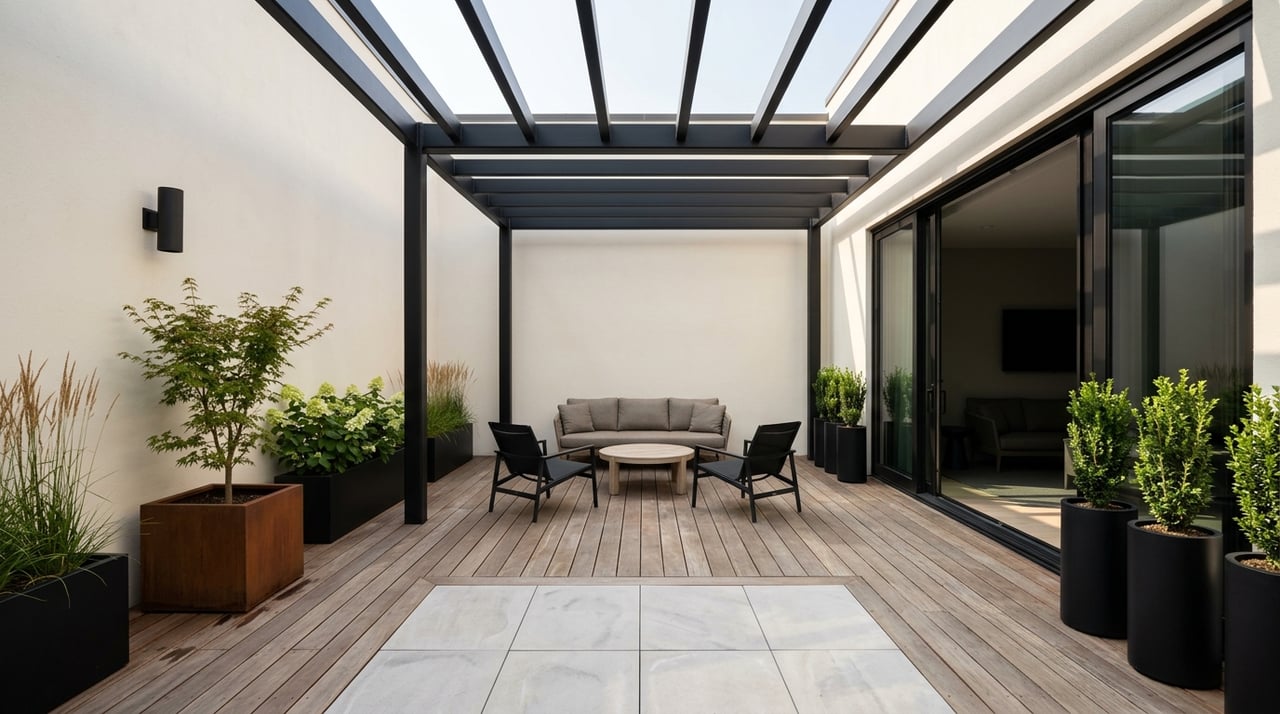
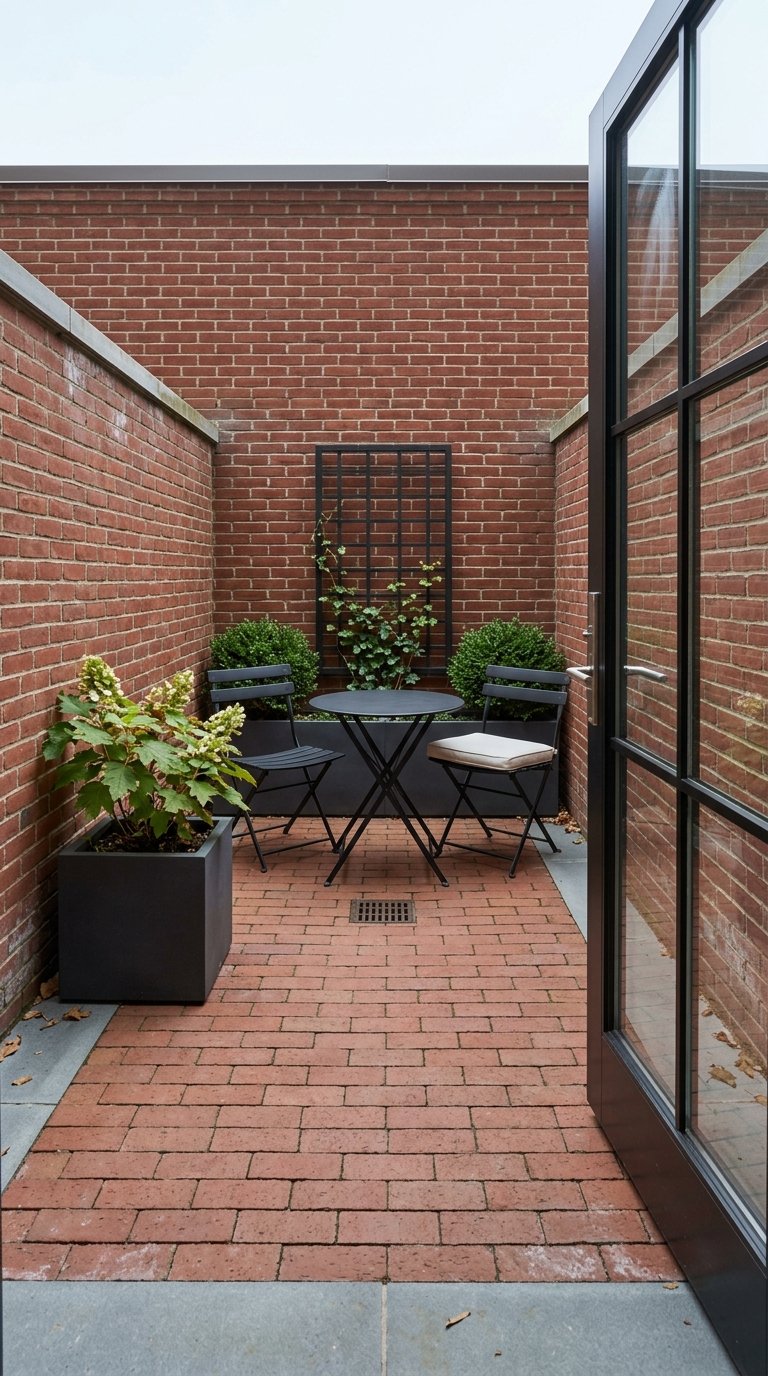
Your model unit should do more than showcase a finish package. It should represent the most legible version of the project’s value, whether that is a standout floor plan, a strong view corridor, or the clearest expression of indoor-outdoor living and everyday function.
In Seaport, the setting often helps close the sale. Buyers want to understand not just the square footage, but how the residence feels within the building and within the neighborhood. A model unit that tells that story clearly can anchor the entire release.
Boutique projects should be careful about over-weighting the highest price tier. A few halo residences can be useful for brand positioning, but too many top-end units can narrow the buyer pool and stretch absorption.
A better strategy is often a balanced mix with broad appeal across the most marketable layouts, plus a limited number of flagship residences. That lets you create excitement at the top without making the project dependent on a very small set of buyers.
In Seaport, resilience is not a side topic. Boston’s Coastal Resilience Planning guidance notes that Seaport is part of the city’s filled-in coastal land and that the city uses the Massachusetts Coast Flood Risk Model for sea-level-rise and flood-depth projections. Buyers and lenders may ask detailed questions about flood mitigation, building systems, insurance, and long-term maintenance.
That means your presales team should be prepared with straightforward answers. The more clearly you can explain building planning and operational considerations, the more confidence you create. In this submarket, informed buyers often see resilience planning as part of quality, not just compliance.
Transportation also remains part of the neighborhood story. The South Boston Seaport Strategic Transit Plan, adopted in December 2023, focuses on bus, shuttle, ferry, ride-share, bicycle, pedestrian, Red Line, and Silver Line access. This supports a marketing narrative built around connectivity, but it also reminds buyers that infrastructure and mobility remain active parts of Seaport’s evolution.
Seaport is not a finished neighborhood with a static inventory base. Boston Planning’s project page for Seaport Square Block L3 and L6 shows an active mixed-use filing with large residential, office or research, and retail components. That reinforces a key point for boutique developers: you are launching into a district where competing supply and new announcements remain part of the backdrop.
That competition raises the importance of timing and differentiation. Buyers may compare your project not only with existing resales, but with future options still in planning or under construction. A clear release strategy, strong positioning, and realistic pricing help you stand out in that environment.
For high-end Seaport product, the buyer pool often extends beyond Boston. Boston.com’s reporting on Seaport luxury marketing described outreach to agents in Los Angeles, Aspen, Manhattan, and Palm Beach, along with niche communities tied to yachting and aviation. That kind of targeted distribution is often more effective than relying only on passive listing exposure.
This is where the right sales team can add measurable value. A boutique developer benefits from local market fluency, broker relationships, and a sharp understanding of how Boston buyers interpret pricing and neighborhood context. At the same time, broader distribution can expand exposure to second-home, relocation, and luxury buyers outside the immediate market.
Coldwell Banker Global Luxury notes a referral network of more than 96,000 affiliated agents across 45 countries and territories, along with broad syndication and branded marketing support. For a Seaport launch, that type of network can function as a distribution layer, while a local team keeps the message grounded in neighborhood-specific expertise.
If you are planning a boutique condo launch in Seaport, the strongest strategy usually follows a clear sequence:
In Seaport, presales success is rarely about one dramatic move. It is usually the result of disciplined sequencing, credible pricing, and a sales strategy that respects how sophisticated buyers actually make decisions.
For boutique developers, that is good news. You do not need the biggest building in the district to launch well. You need a product that is well positioned, clearly explained, and professionally brought to market.
If you are evaluating a Seaport boutique condo launch and want senior-level guidance on pricing, presales positioning, and on-site sales strategy, connect with Steve Losordo & Jillian Reig. Their team brings Boston neighborhood expertise, new-development experience, and high-touch execution tailored to complex urban projects.
Stay up to date on the latest real estate trends.

Buying, selling, or investing in Boston real estate? Reig + Losordo provides personalized strategies, market expertise, and a seamless experience from start to finish. With deep local knowledge and a proven track record, we’re here to help you navigate every step with confidence. Let’s make your next move a success.
Get In Touch With Our Team

ADDRESS 399 Boylston St Boston, MA 02116