
Street-Level Charlestown Multifamily Investment Guide
January 15, 2026
January 15, 2026
Thinking about buying a small multi-family in Charlestown but unsure where to start on rents, returns, or permits? You’re not alone. The neighborhood offers strong demand and classic housing stock, yet the details matter if you want predictable cash flow and a smooth plan. In this guide, you’ll learn the building types you’ll see on the ground, how to set realistic rents and expenses, value-add ideas that work here, and the regulatory steps to keep your project on track. Let’s dive in.
Charlestown sits just north of downtown Boston with quick access to the financial district, hospitals, and universities. MBTA Orange Line access, bus routes, and the Navy Yard ferry make commuting simple for renters. This location helps drive steady interest from young professionals, medical and university staff, graduate students, and small households.
Most small buildings in Charlestown are owned by local or regional investors. Many buyers choose to live in one unit and rent the others to stabilize income and lock in better financing terms. If you want yield plus long-term stability near the urban core, Charlestown’s mix of older stock and consistent renter demand can be a strong fit.
You’ll see three main categories on residential streets:
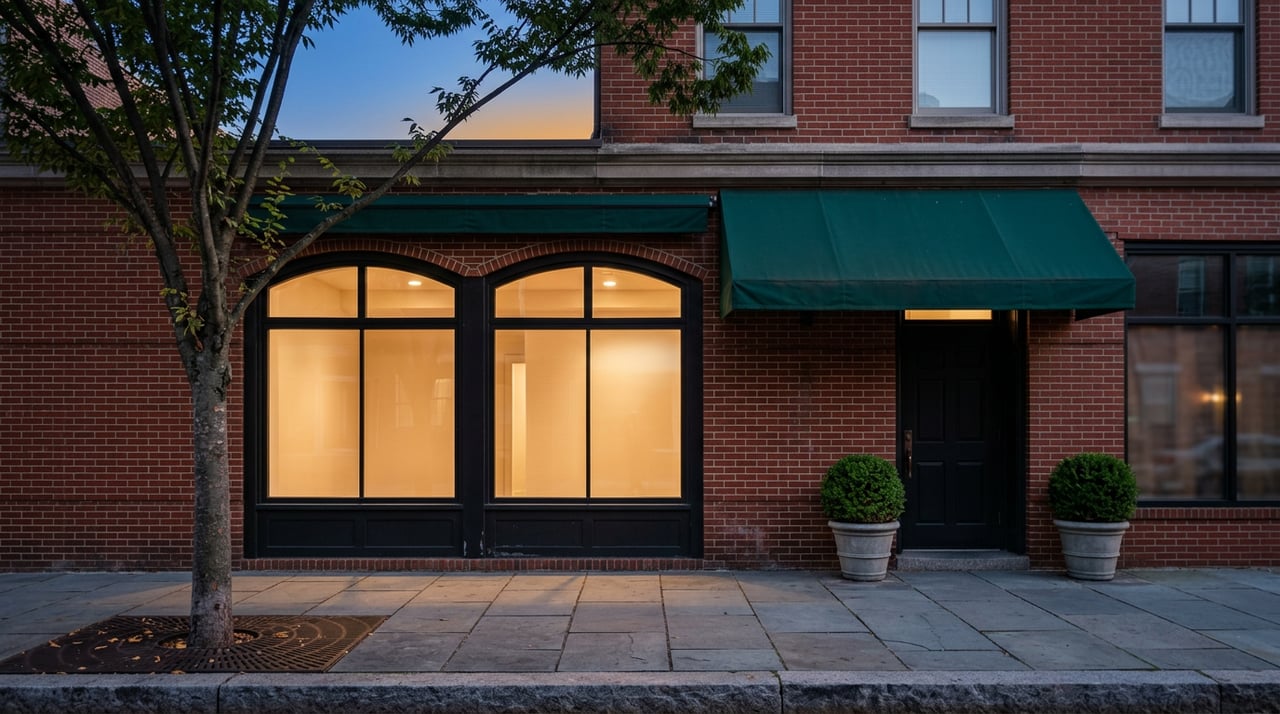
Mixed-use buildings appear along Main Street, with retail at grade and apartments above. Larger institutional mid-rises cluster closer to the waterfront, though they rarely trade in the 2 to 10 unit range.
Most small assets lean on 1-bedroom and 2-bedroom layouts. Common set-ups include a two-bedroom paired with one or two one-bedrooms in a triple-decker, or a balanced 1-bedroom/2-bedroom mix in 4 to 6 unit buildings. For steady demand and exit flexibility, prioritize 1-bed and 2-bed units. Where legal and feasible, reconfiguring oversized spaces into additional smaller units can grow income, though it will trigger egress and life-safety reviews.
Older buildings often need upgraded electrical service, plumbing, insulation, and windows. Many lack in-unit laundry, central air, or modern kitchens and baths. Stairs can be narrow, and basements or attics may have low ceiling heights. These constraints can be value-add opportunities, but changes to use or layout can trigger code upgrades, so a careful plan is essential.
Start with 3 to 6 recent, nearby rental comps for each unit type. Adjust for size, floor level, natural light, and amenities like in-unit laundry, parking, or AC. To keep your underwriting conservative, use current asking rents less 5 to 10 percent for concessions and negotiation. Then model a vacancy and turnover allowance to reflect open time between tenants and collection risk.
For small Boston multi-family, a typical operating expense ratio sits around 35 to 50 percent of effective gross income. Budget vacancy and collection loss at 5 to 8 percent, or 3 to 5 percent for well-located, professionally managed assets. Plan annual capital reserves of about 1,500 to 4,000 dollars per unit, higher if systems are original.
Key expense lines to verify:
Use GRM as a quick screen and cap rate for deeper comparison on recent Charlestown sales. For leveraged deals, cash-on-cash helps you compare scenarios. Always test 5 to 10 percent rent downside and 10 to 20 percent expense upside to see where the deal still pencils.
Two to four unit buildings can qualify for residential mortgage products. If you live in one unit, you may access lower rates and higher loan-to-value limits, which can improve cash flow and return on equity.
Five to ten unit assets typically fall under commercial or agency multifamily standards. Expect debt service coverage ratio underwriting, different documentation, and sometimes longer timelines. Local banks and regional credit unions are active on small multifamily in Boston and can offer flexible terms for value-add plans.
Be ready to provide rent rolls, leases, a capital needs overview, occupancy history, insurance details, and a clean Certificate of Occupancy. Lenders often check for open code violations and will underwrite taxes to realistic post-sale levels.
You can usually create the best rent lift per dollar through unit-level improvements. Focus on modern kitchens and baths, in-unit laundry hookups, dishwashers, durable flooring, and efficient cooling via window or mini-split AC. Clean, functional finishes show well and limit maintenance.
Targeted reconfigurations can unlock value but bring egress, fire separation, and sometimes sprinklers into play. Legalizing or renovating a basement unit can boost income if the space meets ceiling height, light and ventilation, plumbing, and safety requirements. Confirm legality and insurability up front with Inspectional Services.
Electrical panel upgrades and modern HVAC reduce operating costs and improve tenant appeal. Energy improvements like insulation, windows, and efficient boilers may qualify for rebates through Mass Save. Incentives can strengthen your underwriting and help with lender conversations.
Confirm the property’s zoning district and what is allowed by right using the Boston Planning & Development Agency’s Zoning Code. If you are adding units or changing use, you will likely need a Change of Occupancy review. State-level reforms, including the MBTA Communities requirement for multifamily near transit, may affect local zoning. Review the latest guidance on the MBTA Communities multifamily requirement.
Parts of Charlestown fall within historic districts. Exterior work such as windows, stoops, dormers, or additions may require review by the Boston Landmarks Commission. Confirm early to align your design and timeline.
Any work changing egress, occupancy, or unit count requires permits and inspections through the City’s Inspectional Services Department. Conversions or increased occupant load may trigger sprinkler requirements under the Massachusetts State Building Code (780 CMR). For pre-1978 buildings, rental units must comply with the state’s Lead Law for disclosure, inspection, and hazard control.
Boston regulates short-term rentals, with different rules for owner-occupied versus non-owner-occupied scenarios. Registration and local taxes are required, and some uses are restricted. Review the City’s current Short-Term Rentals guidance before planning any STR strategy.
Pull the parcel’s assessment history and tax bills through the City’s Assessing Department. Underwrite to a realistic post-improvement assessment to avoid surprises. For sale or exchange planning, consult your tax advisor about options that may fit your situation.
Massachusetts regulates deposits, notices, and habitability standards. Security deposits are capped and require specific handling and interest accounting. For a clear overview of responsibilities, start with the state’s resources on landlord and tenant rights and confirm current procedures before you lease.
Verify the building is insured for rental use and that your carrier understands any change in unit count or short-term plans. Ask about replacement cost coverage, liability limits, and Ordinance or Law coverage for code-required upgrades.
When you’re ready to walk through buildings, refine your underwriting, or source off-market opportunities in Charlestown, connect with Steve Losordo & Jillian Reig for a focused consultation and neighborhood-specific strategy.
Stay up to date on the latest real estate trends.








Buying, selling, or investing in Boston real estate? Reig + Losordo provides personalized strategies, market expertise, and a seamless experience from start to finish. With deep local knowledge and a proven track record, we’re here to help you navigate every step with confidence. Let’s make your next move a success.
Get In Touch With Our Team

ADDRESS 399 Boylston St Boston, MA 02116