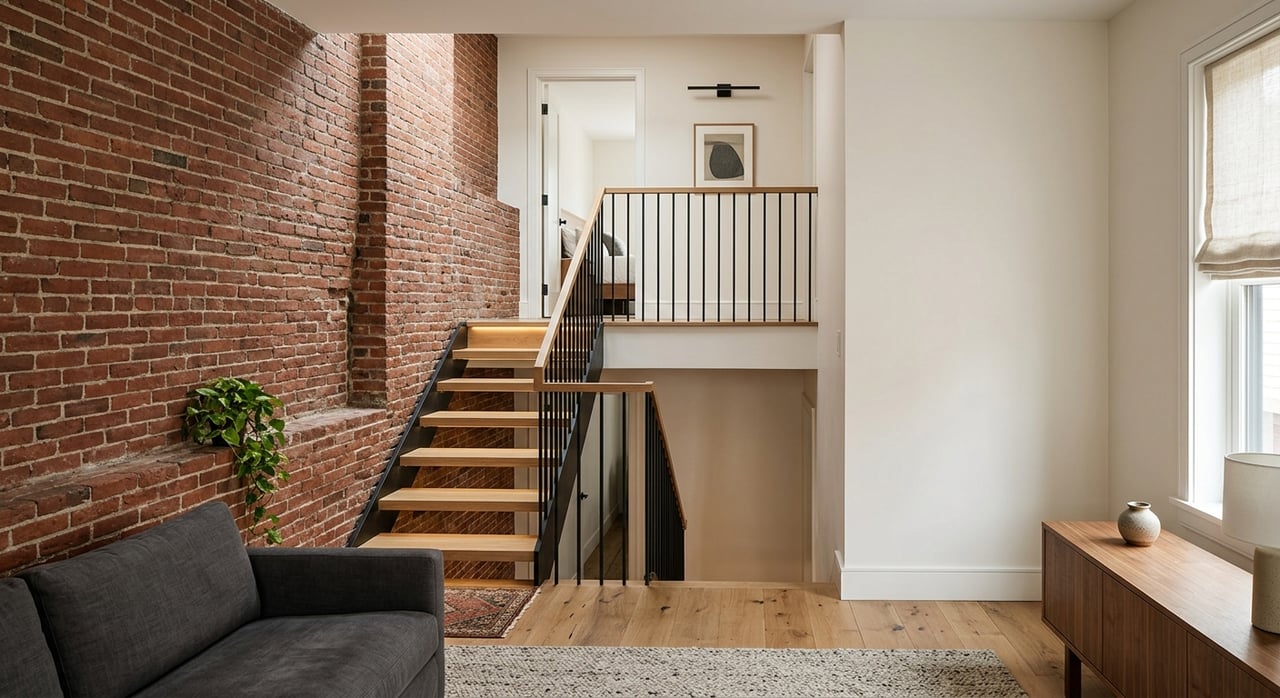
North End Boston Condo Styles & Historic Architecture
April 2, 2026
April 2, 2026
If you have ever wondered why North End condos feel so different from newer Boston buildings, the answer is right in the walls, windows, and floor plans. This is one of Boston’s oldest residential neighborhoods, and many of the homes you see today were shaped by centuries of change rather than built all at once. When you understand the architecture behind the listings, it becomes much easier to spot what fits your lifestyle, your priorities, and your budget. Let’s dive in.
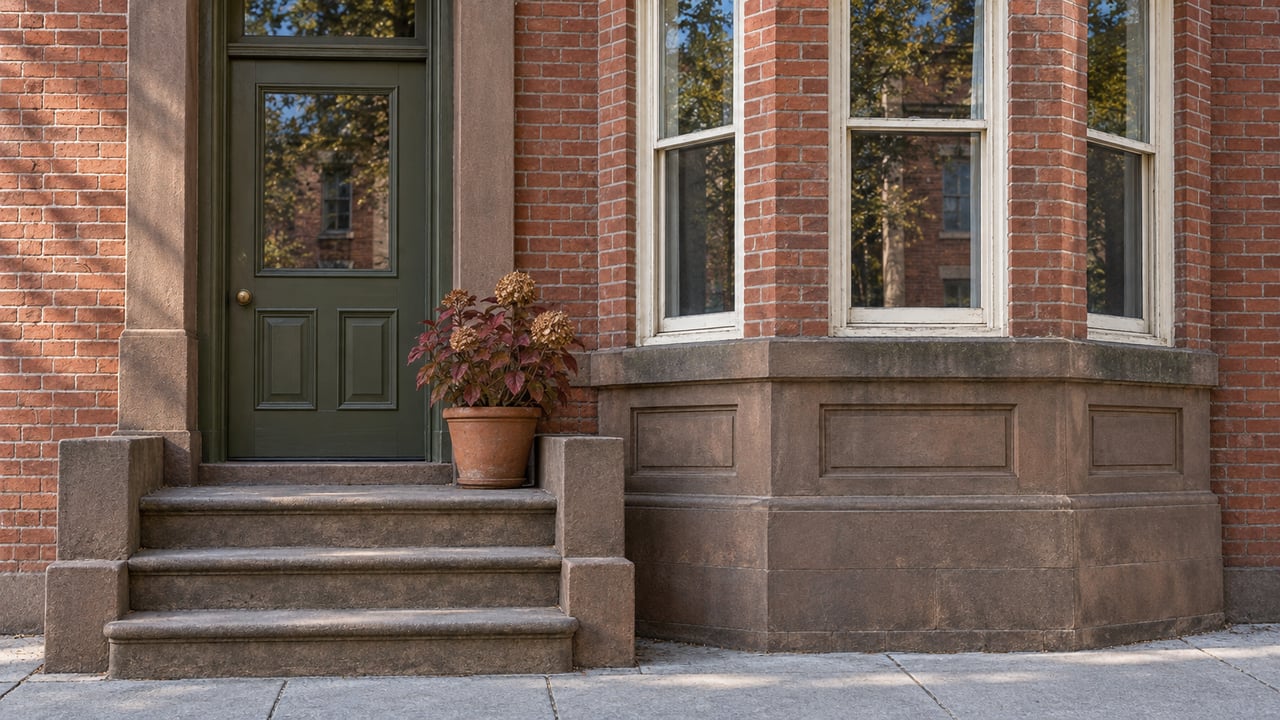
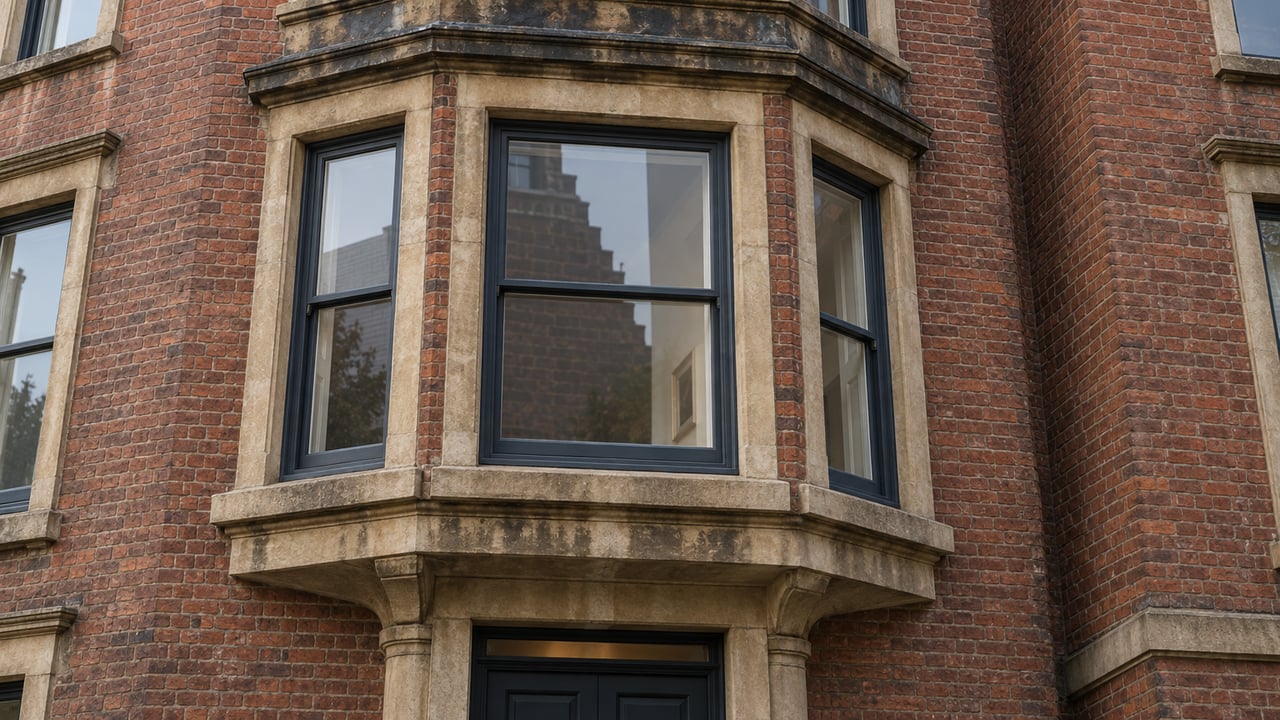
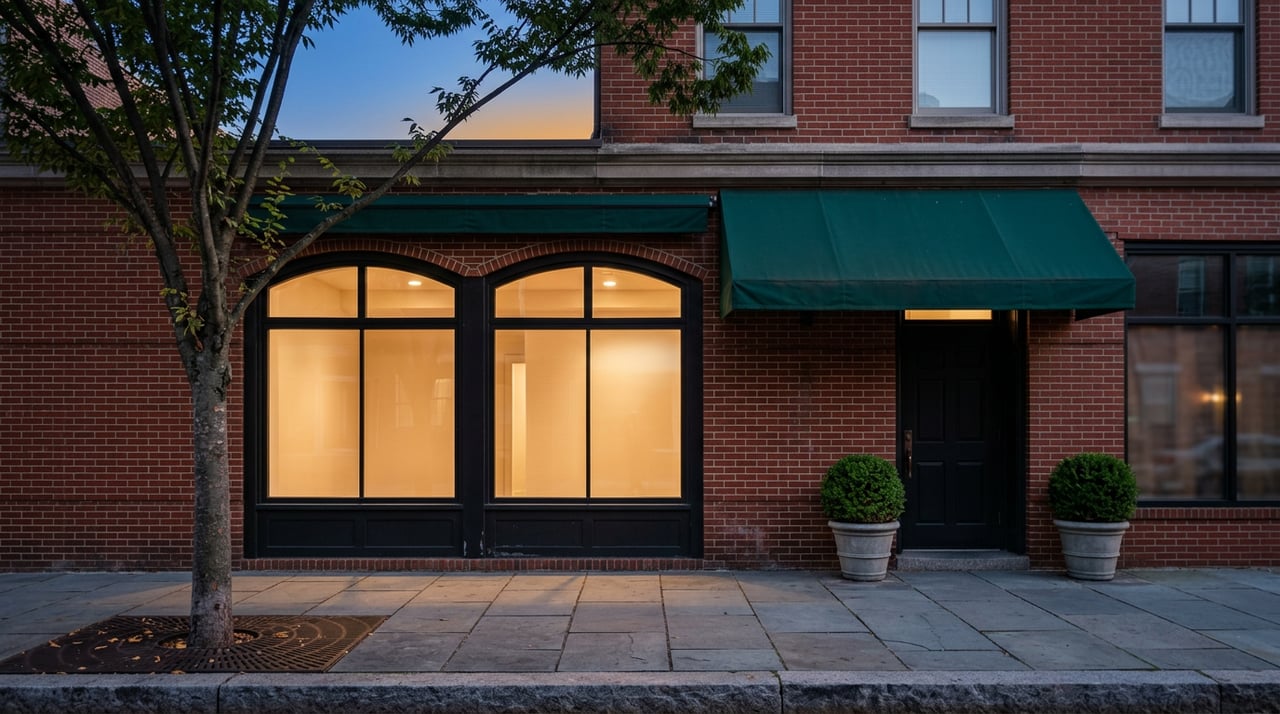
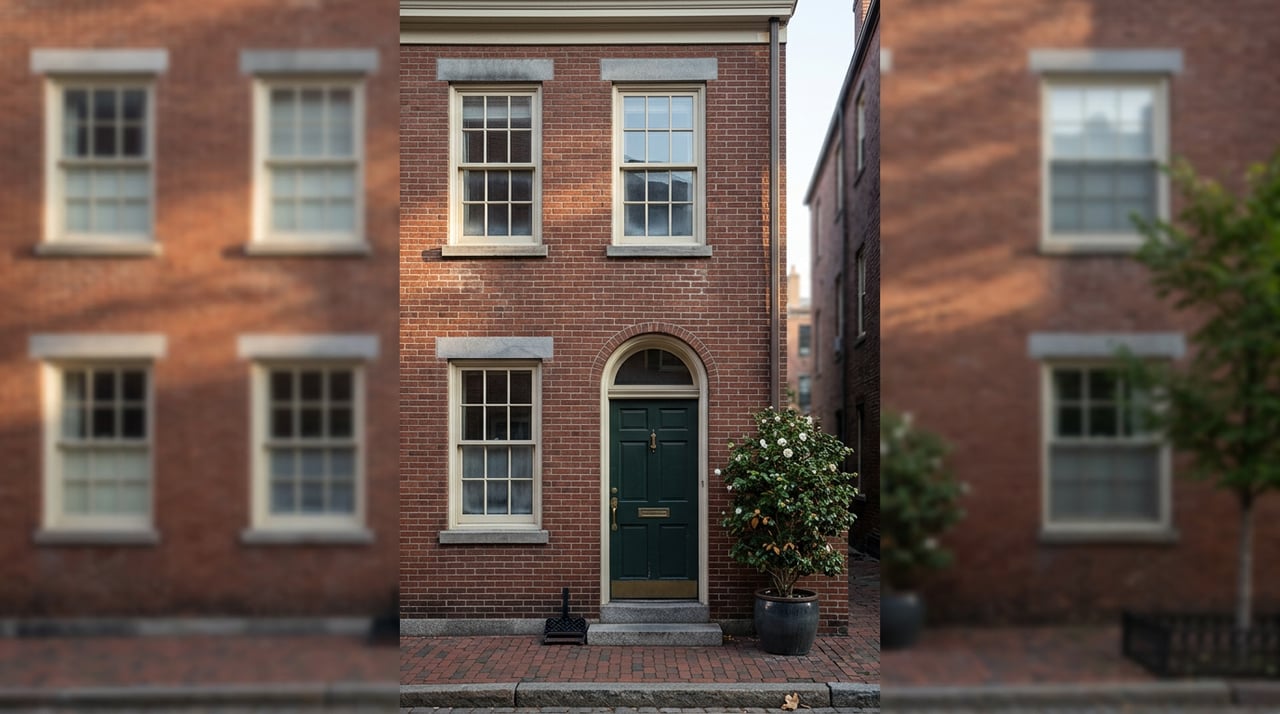
The North End has been settled since the 1630s, and the neighborhood still reflects that long history. According to Boston Planning & Development materials, it remains a dense, mostly residential area defined by historic brick apartment buildings, narrow streets, mixed-use corridors, and waterfront structures.
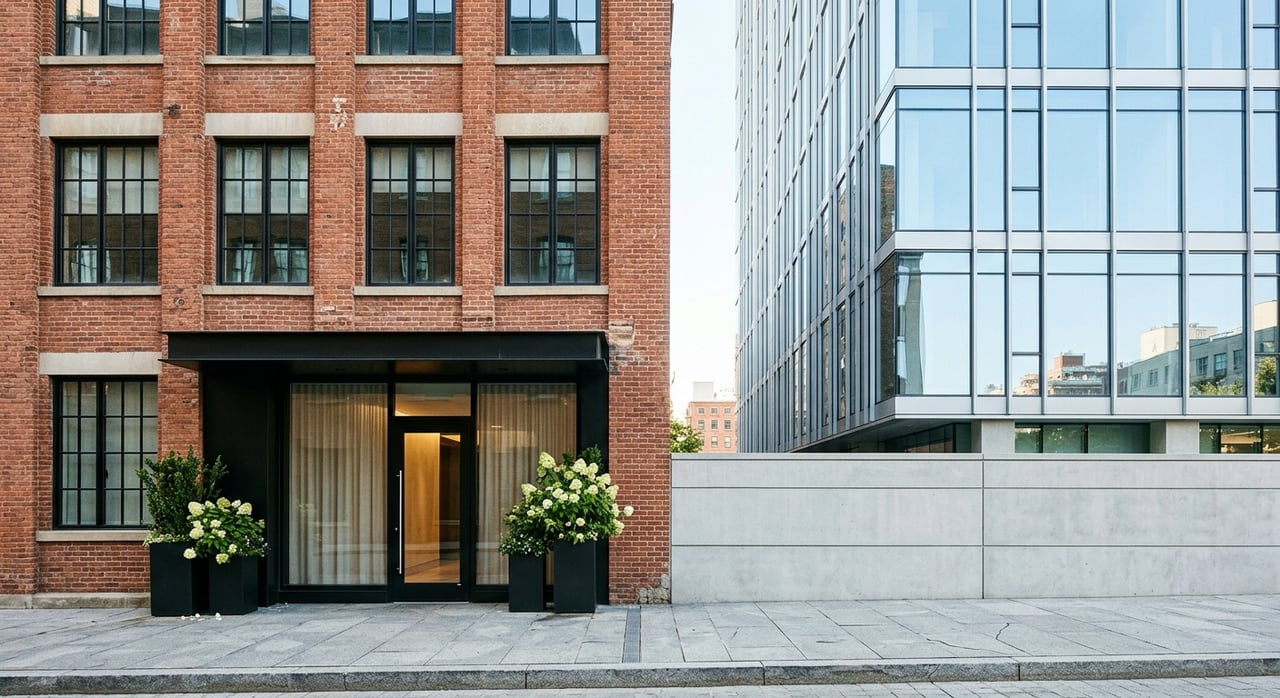
That history matters because many North End condos are not in purpose-built condo buildings. Instead, they are adaptive reuses of older rowhouses, tenements, wharf buildings, warehouses, and other masonry structures. As a result, you will often see layouts and architectural details that feel more distinctive and less uniform than what you would find in a newer mid-rise or tower.
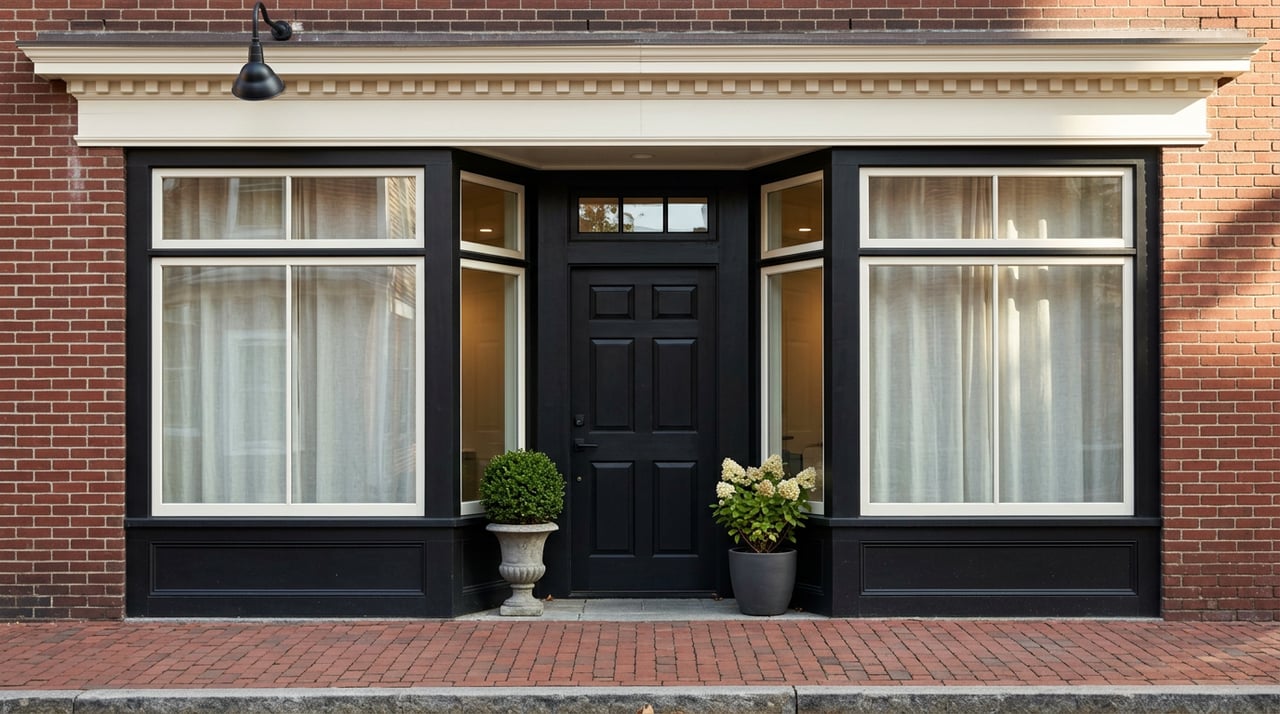
Another big reason the neighborhood looks the way it does is regulation. The Freedom Trail Neighborhood Design Overlay District is intended to protect the area’s scale, pedestrian character, street walls, and concentrations of historic buildings. That helps explain why exterior updates often appear subtle and why many facades still read as unmistakably historic.
In the North End, old buildings are not just part of the backdrop. They directly influence how condos live day to day. Brick shells, narrow lots, and long-standing street patterns often determine room widths, window placement, stair locations, and ceiling variations.
Some of the neighborhood’s best-known historic structures show that pattern clearly. The Clough House began as a brick row house around 1715, later gained a third story, and was converted into apartments in the early 1800s. Old North also documents how the area’s brick tenement buildings from the late 19th and early 20th centuries housed successive immigrant communities, leaving behind the compact, efficient building forms that still shape many condo layouts today.
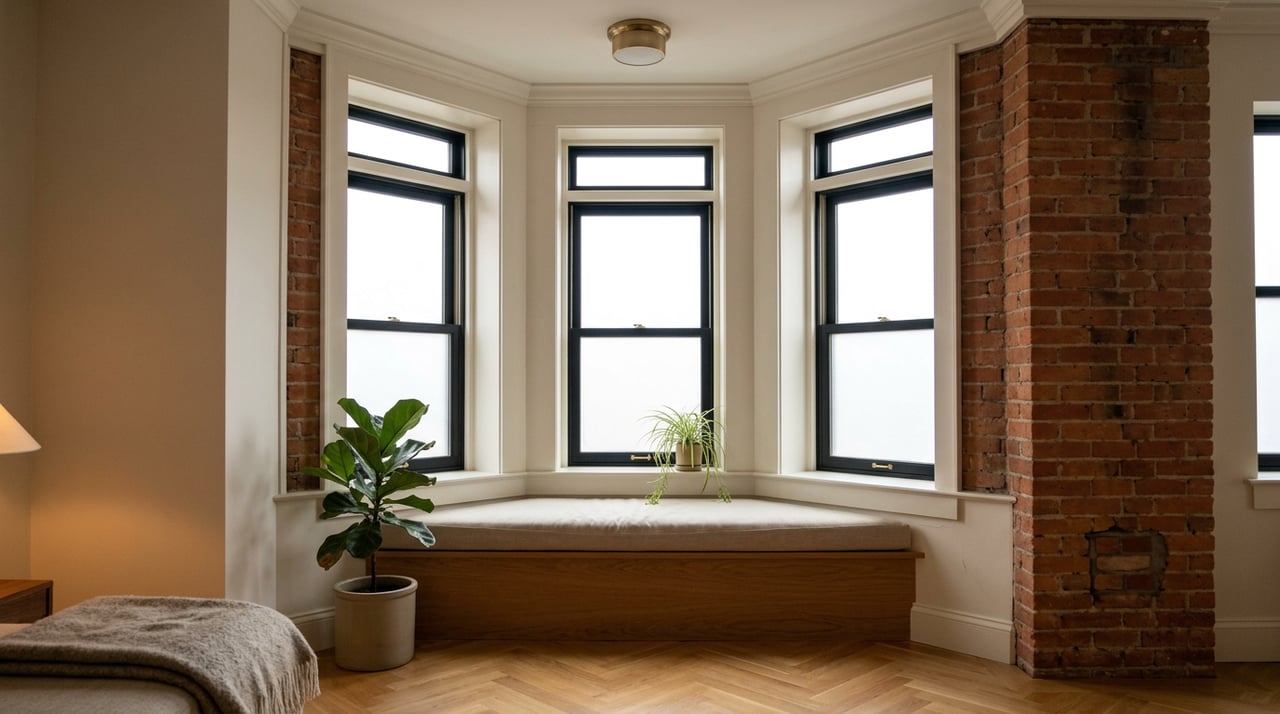
For buyers, that means architectural charm usually comes with trade-offs. You may get exposed brick, beams, original masonry, or a one-of-a-kind footprint, but you may also find tighter circulation, less closet space, or more variation from unit to unit within the same building.
One listing term you are likely to see in the North End is floor-through. A floor-through unit usually occupies an entire floor or extends from the front of the building to the rear. As Brownstoner explains, the defining idea is a front-to-back layout rather than side-by-side rooms with windows on multiple exposures.
In the North End, that often translates to a long, narrow plan that fits an older rowhouse or tenement shell. Light typically comes from the front and rear windows rather than from the sides, since neighboring buildings are often close by. If you like a classic urban layout with separation between front and back rooms, this style can feel efficient and full of character.
That said, furniture placement and room flow matter more in these units. A well-designed floor-through can feel elegant and airy, while a less thoughtful one may feel segmented. When you tour, pay attention to sightlines, natural light at the center of the unit, and whether the layout supports the way you actually live.
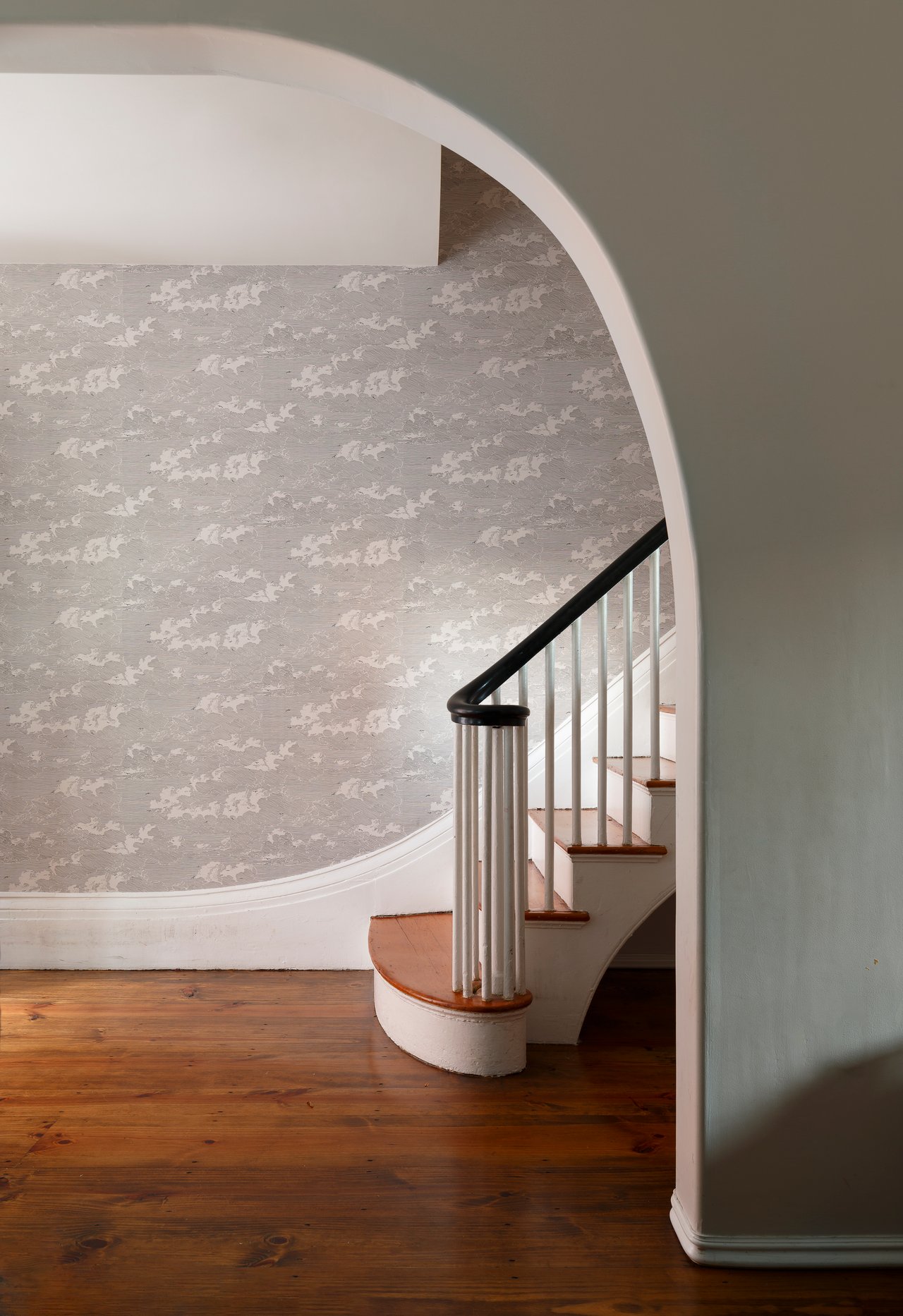
Another common North End configuration is the duplex or multi-level condo. These homes are spread across two or more connected floors with an interior stair, a setup CityRealty describes as typical for homes created by combining levels or adapting existing spaces.
In the North End, duplexes often come from creative reuse. A first floor might connect to a lower garden level, or two smaller units may be joined into one larger residence. This can create more privacy between sleeping and living areas, which many buyers appreciate.
The trade-off is simple: stairs become part of everyday life. That can be a plus if you want separation and a more house-like feel, but it is worth considering if you want single-level living, simpler furniture moves, or easier long-term accessibility.
If you are drawn to open interiors and industrial character, loft-style condos deserve a close look. In general, lofts are former commercial or industrial spaces converted for residential use, often with open plans, fewer walls, higher ceilings, and larger windows, according to CityRealty’s terminology guide.
The North End has several examples of this adaptive reuse story. The research points to converted wharf, warehouse, and factory buildings where owners preserved exposed brick walls, Douglas fir beams, and other structural details. A Boston.com feature on 26 Stillman highlighted details such as 11-foot floor-to-ceiling windows, exposed brick and beams, a private entry, and a roof deck.
These homes often feel especially dramatic because the original shell was built for a different use. You may get oversized windows, more volume, and a stronger sense of openness than in a traditional rowhouse condo. If you value character and scale, this style can be especially compelling.
The North End’s historic housing stock affects more than aesthetics. It also shapes how your home performs in terms of light, storage, circulation, and shared amenities.
Ceiling height can vary a lot from one North End condo to another. Some renovations reveal original wood ceilings or preserve taller window openings, while others work within more compact historic dimensions. The result is that two condos with similar square footage can feel very different in person.
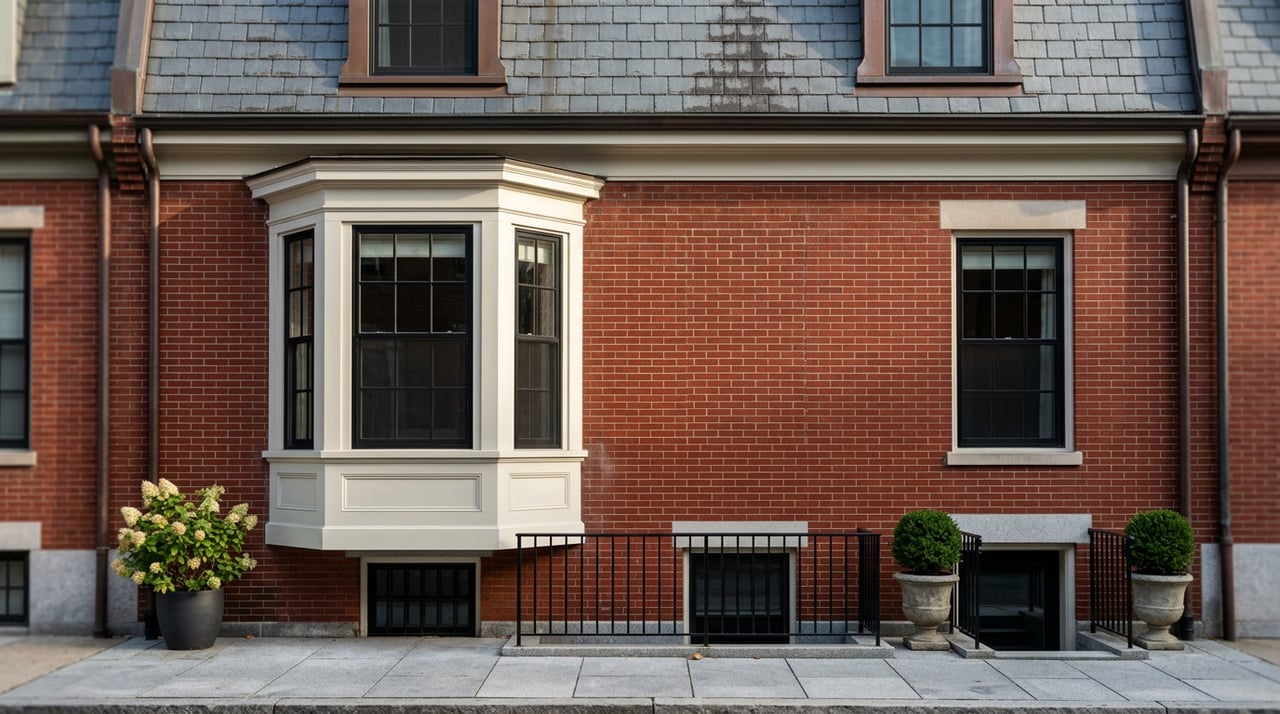
Lower-level or garden-level spaces deserve extra attention. In one North End wharf conversion, designers used window wells to improve light in garden-level bedrooms, and the Boston.com renovation feature shows how removing drop ceilings can completely change a home’s sense of volume. If natural light matters to you, ask how each level receives it and visit at a time of day that gives you a realistic read.
In many historic condos, storage is where charm and practicality meet. Large walk-in closets and oversized utility spaces are not always part of the original building logic. Instead, owners often rely on custom built-ins, efficient closet systems, or shared storage areas.
That pattern shows up in North End examples cited by Boston.com, including homes with common laundry and storage space or tailored dressing areas with custom closets. When you tour, do not just count bedrooms. Look closely at where luggage, seasonal items, cleaning supplies, and everyday gear will actually go.
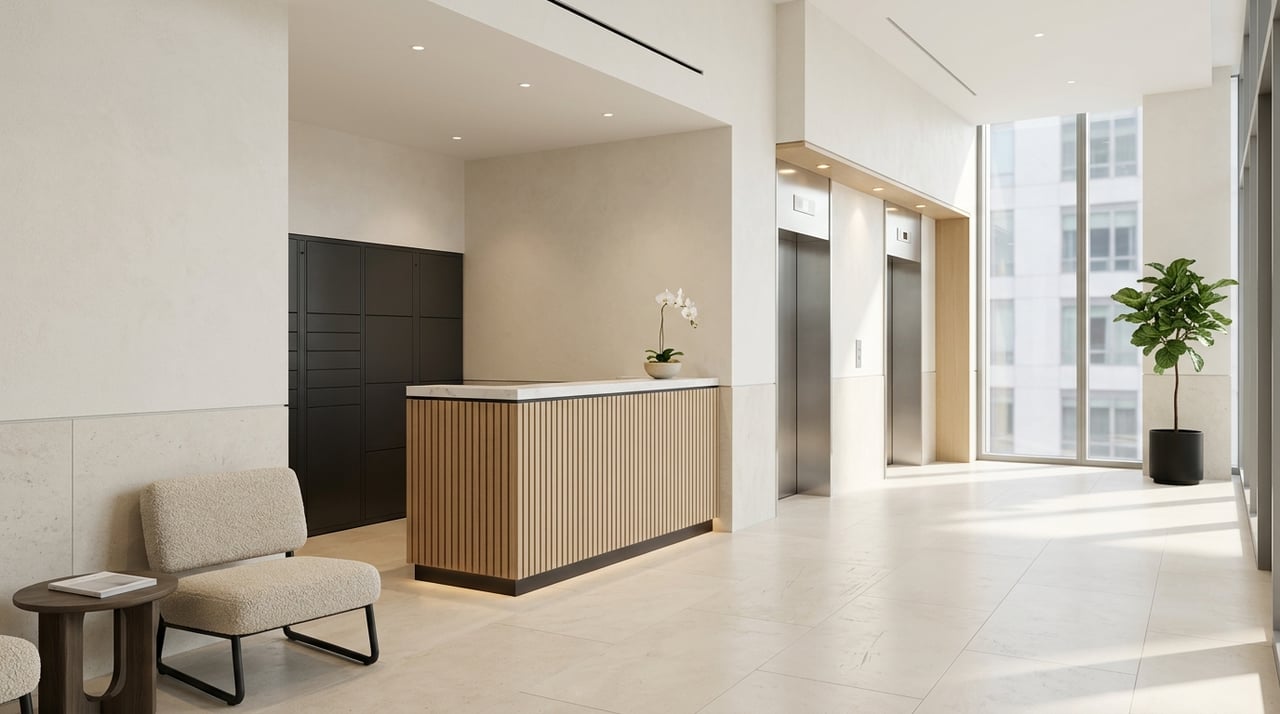
Common spaces in the North End are often compact and practical rather than oversized or highly amenitized. That is not unusual in buildings where preserving the exterior shell and internal structure matters as much as maximizing shared space.
Some properties offer a shared or private roof deck, which can be a major bonus in a dense neighborhood. But roof access, exclusivity, and rules vary from building to building. If outdoor space is important to you, confirm whether it is deeded, common, or simply available by informal use.
Real estate descriptions can sound simple until you realize every term carries design implications. In the North End, understanding a few common phrases can help you sort listings faster and ask better questions.
That last term matters more than many buyers expect. Because the North End includes commercial stretches along streets like Hanover and Salem, mixed-use buildings may come with more foot traffic, deliveries, and street activity than a purely residential property, as noted by Boston Planning materials.
If you are considering a value-add purchase or condo conversion opportunity, age and building type matter. Boston’s Condominium and Cooperative Conversion Ordinance requires a conversion plan and permit for certain covered properties built before December 1983 that contain four or more rental units, along with tenant notice and other rights.
In a neighborhood filled with older buildings, that is an important part of due diligence. It does not mean every older property is a conversion candidate, but it does mean investors should understand the regulatory path before making assumptions about strategy, timing, or exit options.
North End condos can be beautiful on paper, but the details matter most in person. A smart tour is less about whether a unit looks charming and more about whether its architecture supports the way you want to live.
Here are a few things worth checking closely:
In a neighborhood like this, two condos with similar square footage can offer completely different experiences. The more you understand the architecture, the more confident your decision will feel.
If you are weighing condo options in the North End or comparing a historic home to a newer property elsewhere in Boston, working with a team that understands building style, layout trade-offs, and neighborhood context can save you time and help you focus on the right opportunities. To start that conversation, connect with Steve Losordo & Jillian Reig.
Stay up to date on the latest real estate trends.
Buying, selling, or investing in Boston real estate? Reig + Losordo provides personalized strategies, market expertise, and a seamless experience from start to finish. With deep local knowledge and a proven track record, we’re here to help you navigate every step with confidence. Let’s make your next move a success.
Get In Touch With Our Team
ADDRESS 399 Boylston St Boston, MA 02116