Is A South End Condo A Smart Long-Term Investment?
April 16, 2026
April 16, 2026
If you are thinking about buying a condo in Boston’s South End as an investment, the big question is not just whether it will rent. It is whether the numbers, rules, and long-term demand make sense for your goals. South End has many traits investors look for, including a central location, limited supply, and steady appeal to both renters and buyers. But it also comes with higher carrying costs and more constraints than many first-time investors expect. Let’s dive in.
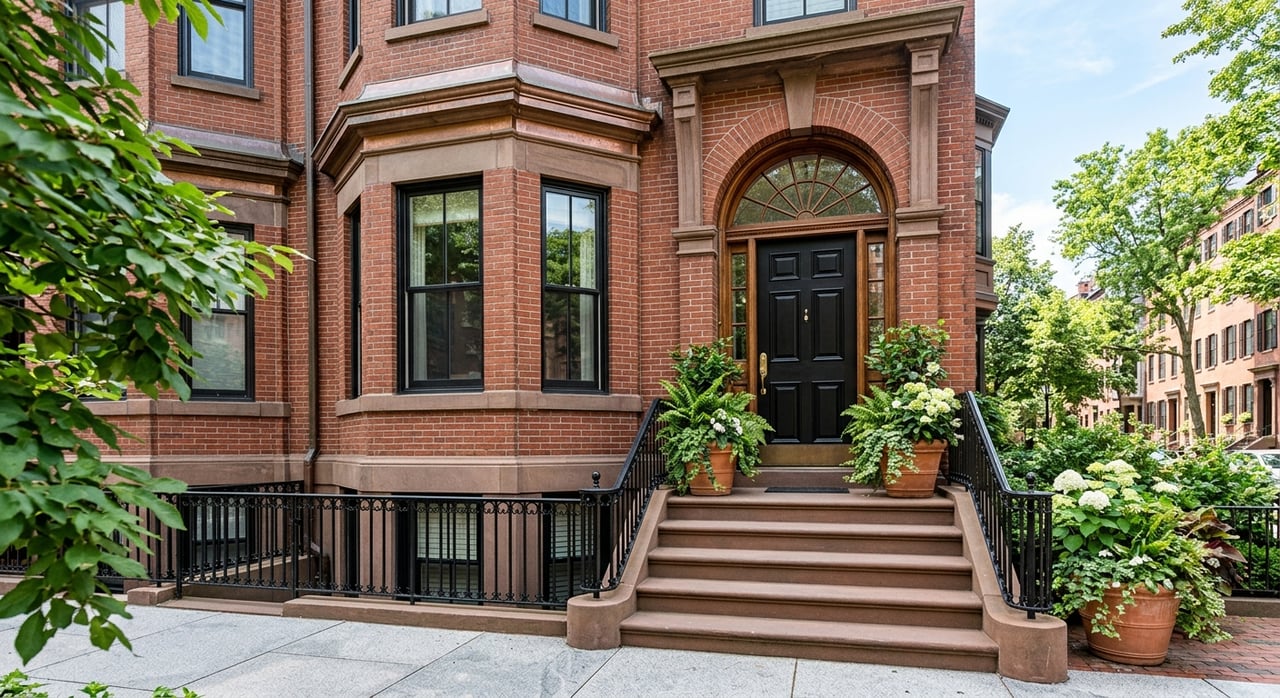
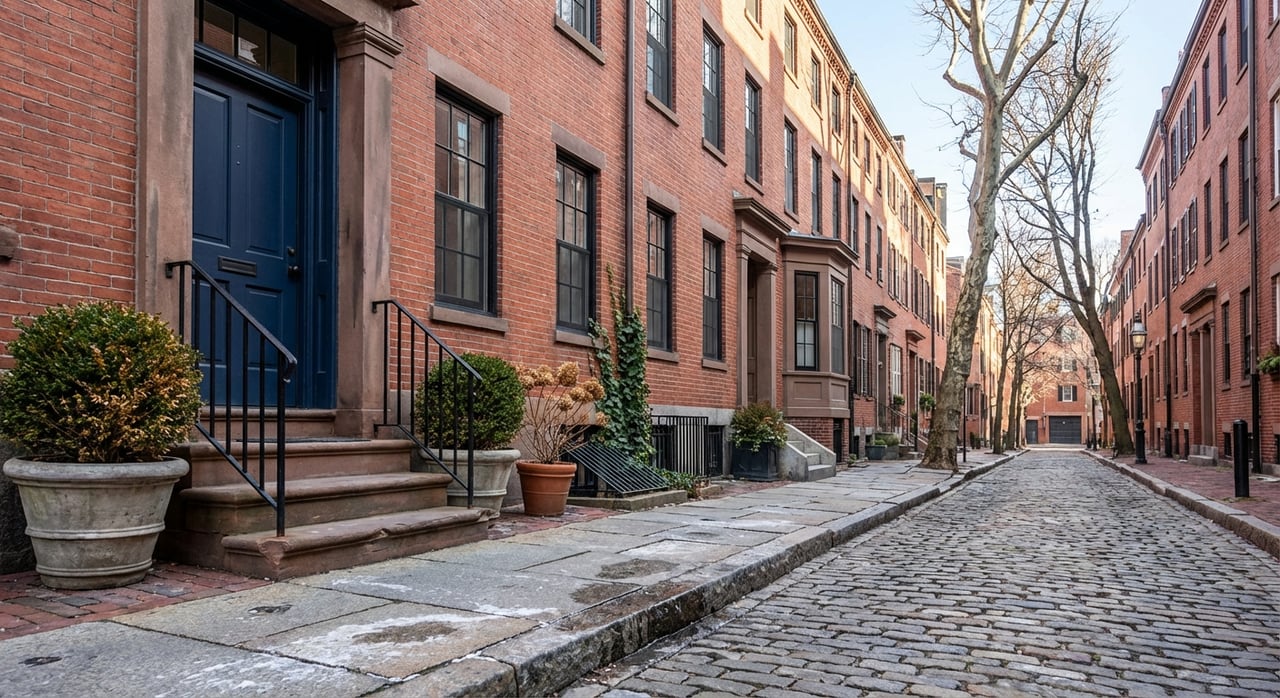
South End has staying power because it offers more than short-term market buzz. Boston Planning describes the neighborhood as a historic district with Victorian townhouses, small parks, a strong restaurant and arts scene, and major anchors like Boston Medical Center, Boston University School of Medicine, and the Southwest Corridor Path.
Those fundamentals matter when you are evaluating a long-term condo investment. A central location, established housing stock, and a broad base of residents with strong educational attainment can support durable demand over time. According to Boston Planning, 64% of South End residents age 25 and older have a bachelor’s degree or higher, which is one sign of a stable, highly educated urban market.
If your plan includes renting the condo, South End remains one of Boston’s higher-priced rental neighborhoods. Recent rental estimates vary by source, but they consistently show premium pricing.
The exact number depends on the dataset, unit type, and timing. Still, the bigger takeaway is clear: South End rents sit well above the national norm and in Boston’s upper tier.
Boston Pads also reports a 4.49% real-time availability rate and a 1.10% real-time vacancy rate in early 2026. That points to an active rental market with limited supply, even if rent growth has become more measured.
This is where many first-time investors need a reality check. A premium neighborhood does not guarantee straight-line rent growth every year.
Historical BPDA data show South End’s weighted average advertised rent at $3,231 in 2019, $3,193 in 2020, and $3,076 in 2021. More recent figures are much higher, but the path has not been perfectly steady.
That matters because long-term investing works best when you underwrite conservatively. If you buy assuming rent will always jump year after year, you may be disappointed. South End can support strong rental demand, but it is still a real market with cycles.
For many buyers, the real answer to whether a South End condo is a smart investment is this: it may be a strong long-hold asset, but it is often not a high-cash-flow play.
One major reason is property taxes. Boston’s FY26 residential tax rate is $12.40 per $1,000 of assessed value. Using Zillow’s March 2026 median South End sale price of $1,217,500, that works out to about $15,097 per year in property taxes before any exemption.
If you qualify for Boston’s residential exemption as an owner-occupant, your bill could be reduced by up to $4,353.74, bringing that estimated tax burden closer to $10,743 annually. But if you are buying strictly as an investment, you should not count on that owner-occupant benefit.
When you compare taxes alone to a $3,500 monthly condo rent estimate, the math gets tighter quickly. That annual tax bill equals roughly 4.3 months of rent before the exemption. This is one reason South End often works better for buyers focused on long-term appreciation and scarcity than on immediate income.
Your monthly HOA or condo fee may have just as much impact on returns as your mortgage or tax bill. Under Massachusetts condo law, common expenses can be assessed based on unit percentage interest, area, location, amenities, or limited common areas.
In practical terms, that means two South End condos with similar square footage may carry very different monthly fees. A building with an elevator, roof deck, stronger reserves, or more complex systems may cost much more to own each month than a simpler walk-up.
Before you buy, review:
For small portfolio owners, these details can make or break the investment case.
South End’s historic character is a big part of its appeal. It can also limit what you can change.
The South End Landmark District requires review for certain exterior work, including front facades, visible rooftops, and some side or rear elevations facing a public way. Interior work usually does not need approval unless the interior itself is landmarked, though some updates like window replacement or HVAC venting may still trigger review.
That means the most practical value-add strategies are often inside the condo, not outside it. If you want to improve future resale value or rental appeal, focus on changes such as:
Major exterior changes or additions are generally harder to plan around and harder to underwrite in this neighborhood.
Some buyers assume they can pivot to short-term rentals if the long-term rental market softens. In Boston, that is not a safe assumption.
According to the city’s short-term rental rules, registration is limited and tied closely to owner-occupancy. Applicants must prove the property is their primary residence, and not every condo setup will qualify.
If you are buying a South End condo primarily as an investment, an Airbnb-style backup plan may not be available. That makes it even more important to evaluate the property on realistic long-term ownership and rental assumptions.
Not every condo in South End should be underwritten the same way. Boston’s 2025 income-restricted housing inventory reports that 30% of South End housing units are income restricted, compared with 19.3% citywide.
That does not mean market-rate investment opportunities are rare. It does mean you need to confirm whether a specific unit is market-rate, deed-restricted, or subject to any affordability rules before making assumptions about rent, resale, or financing.
This is one of the most important diligence steps for any buyer entering the South End condo market.
A South End condo can be a smart long-term investment if your priorities line up with the market’s strengths. In many cases, the strongest argument for buying is not immediate yield. It is the combination of location demand, limited supply, neighborhood character, and long-run desirability.
You may be a good fit for this type of investment if you are looking for:
On the other hand, if you need high monthly cash flow right away, South End may feel restrictive once you factor in taxes, condo fees, maintenance, and vacancy assumptions.
If you are considering a purchase here, it helps to look beyond the listing photos and headline rent estimate. A stronger underwriting process should include both neighborhood-level and building-level review.
Focus on these questions:
The best South End investment decisions are usually made with a long view and careful diligence, not with optimistic assumptions.
So, is a South End condo a smart long-term investment? For many buyers, yes, but mostly as a long-horizon, location-driven investment rather than a simple income property.
South End offers durable demand, strong neighborhood identity, and premium rental pricing. At the same time, high purchase prices, property taxes, condo fees, and regulatory limits can narrow your margin for error. If you are approaching the neighborhood with realistic expectations and a clear ownership strategy, it can be a compelling place to invest.
If you want help evaluating a specific South End condo, the team at Steve Losordo & Jillian Reig offers neighborhood-focused guidance backed by deep Boston market experience, including support for buyers and investors weighing long-term opportunities.
Stay up to date on the latest real estate trends.



Buying, selling, or investing in Boston real estate? Reig + Losordo provides personalized strategies, market expertise, and a seamless experience from start to finish. With deep local knowledge and a proven track record, we’re here to help you navigate every step with confidence. Let’s make your next move a success.
Get In Touch With Our Team

ADDRESS 399 Boylston St Boston, MA 02116