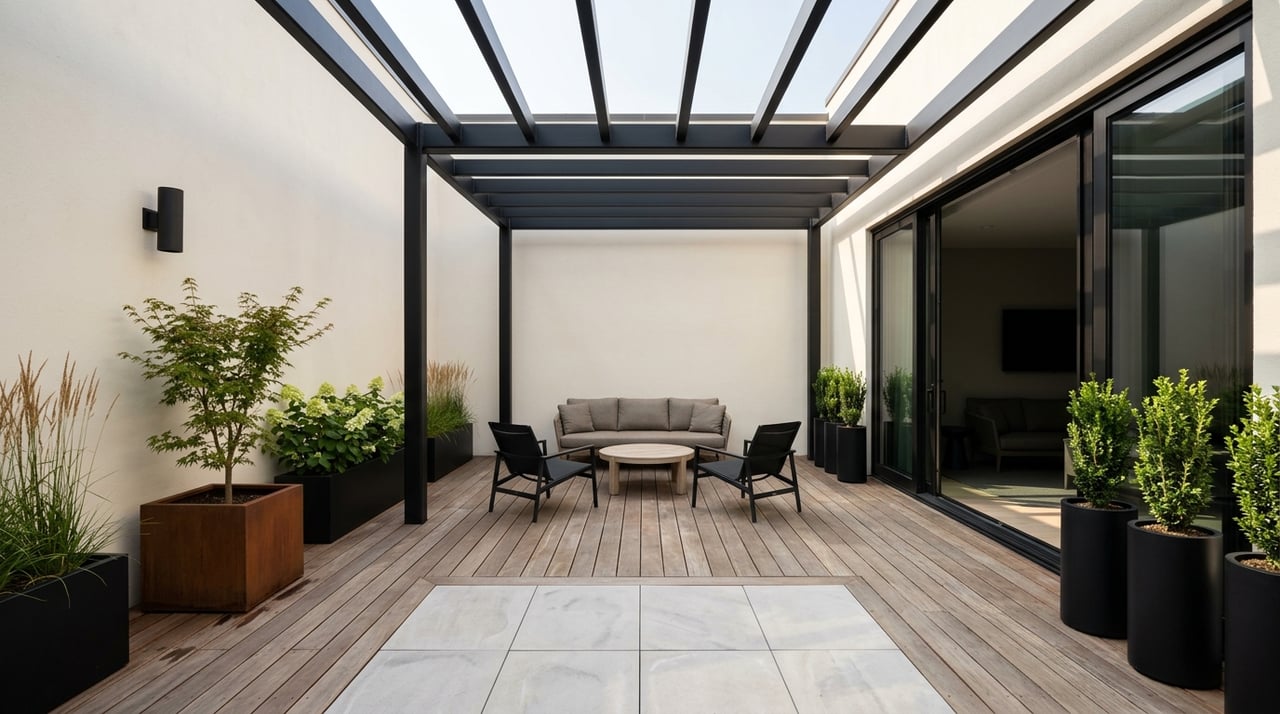
Midtown Boston High-Rise Living: What to Know Before You Buy
June 4, 2026
June 4, 2026
If you want a home that puts Boston’s theater, dining, and downtown energy right outside your door, Midtown high-rise living can be hard to beat. At the same time, condo life in a tower is about more than sleek finishes and skyline views. Your day-to-day experience is shaped by the building itself, from elevators and lobby flow to condo fees, roof-deck rules, and shared amenities. Let’s take a closer look at what living in a Midtown Boston high-rise really feels like.
When people talk about Midtown Boston, they are often referring to the Downtown core and the nearby theater and dining corridor. Boston’s official neighborhood materials describe Downtown as the city’s hub, with housing that ranges from historic apartment buildings to modern glass towers.
That setting is a big part of the appeal. You are close to theaters, restaurants, cafes, Boston Common, the Rose Kennedy Greenway, and miles of waterfront access. For buyers who want an urban routine with convenience built in, that combination can be especially attractive.
It is also worth knowing that Downtown Boston is evolving. City planning and zoning updates are aimed at supporting more housing, mixed-use density, and adaptive reuse, while also protecting historic and cultural assets. In practical terms, the streetscape and development pipeline around your building may continue to shape the living experience over time.
In a high-rise, your routine starts before you even walk into your unit. Massachusetts defines common-use spaces in multifamily buildings to include entrances, elevators, lobbies, foyers, corridors, stairways, mail areas, laundry spaces, trash areas, storage, parking lots, garages, and recreational spaces.
That matters because these shared spaces influence how your home feels every day. A smooth lobby arrival, efficient elevator access, and well-managed service areas can make daily life easier. In a tower, the building operations are part of the ownership experience.
Elevators are not just a convenience in upper-floor condo living. Massachusetts notes that many residents rely on them every day to enter and leave their homes, and outages can make access much harder for people who cannot easily use stairs.
The state also requires routine inspection and testing for most elevators. Even so, if you are considering a high-rise purchase, it is smart to ask about elevator maintenance history, recent upgrades, and any modernization plans. This is one of the most practical details in a tower, especially if you are buying on a higher floor.
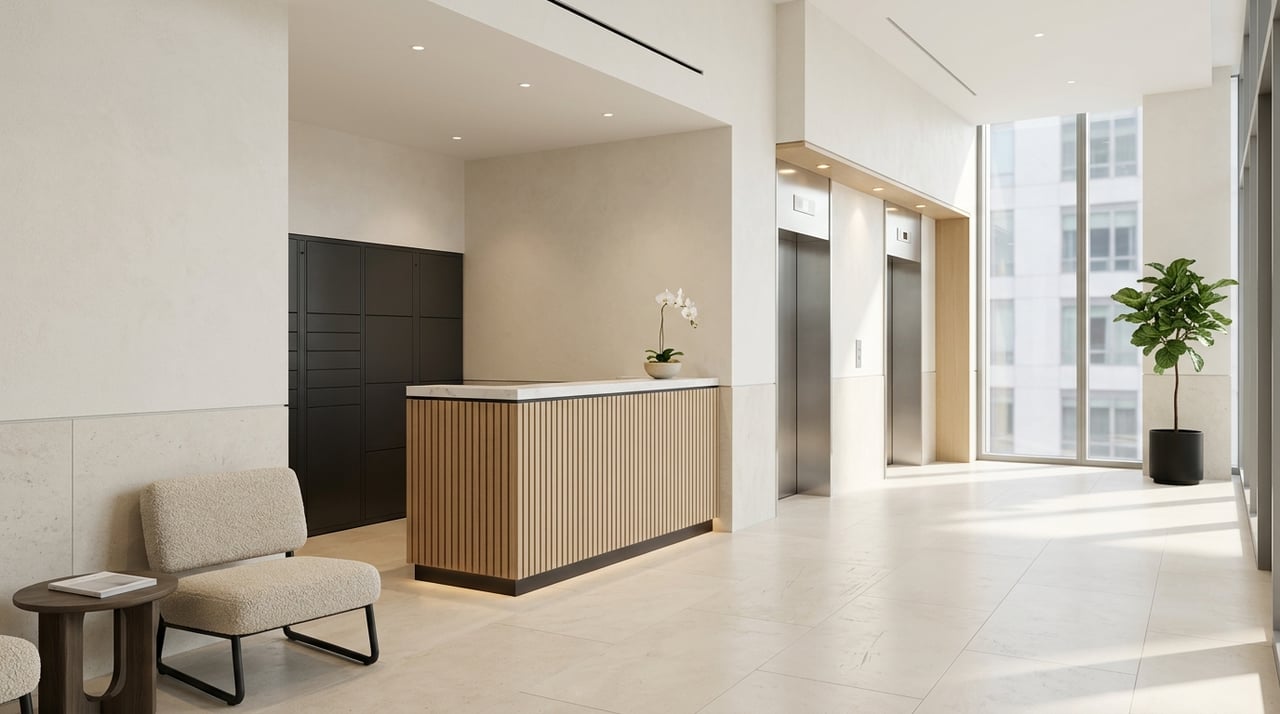
In Midtown Boston, many condo buyers focus first on the unit and the view. That makes sense, but the shared environment deserves just as much attention. Hallways, lobby design, package handling, parking access, and storage arrangements all play a role in how organized and seamless your routine feels.
If you travel often, want a lock-and-leave lifestyle, or prefer less hands-on property upkeep, the right building setup can be a major advantage. A well-run condo community can reduce many of the exterior and shared-system responsibilities that come with other property types.
One of the biggest draws of Midtown high-rise living is the possibility of premium amenities. Amenity-rich condo communities can include concierge services, fitness facilities, pools, recreation or party rooms, and protected parking.
The key word is can. These features are specific to each building, not guaranteed by a Midtown address alone. Two towers just blocks apart may offer very different levels of service, maintenance, and resident experience.
If amenities are important to you, look beyond the marketing language and ask how the building actually operates. A few smart questions can go a long way:
This is where condo documents and building management become especially important. In a high-rise, the quality of ownership often depends on how well the association plans, budgets, and maintains the property.
People are often drawn to Midtown towers for the views, and for good reason. Downtown Boston’s geography creates the potential for cityscape, waterfront, and civic open-space vistas, depending on the building and the unit’s position.
Still, views are not one-size-fits-all. Floor level, window exposure, and the surrounding density all affect what you actually see from inside the home. Even units in the same building can have very different outlooks based on stack and orientation.
A higher floor does not automatically guarantee the best view for your lifestyle. Some buyers prefer dramatic skyline exposure, while others want softer natural light or a more open view corridor.
Because the Downtown area combines dense towers with nearby open space and waterfront edges, the best approach is to evaluate the specific unit, not just the building name. This is one area where local, building-level guidance can make a real difference.
Luxury high-rise living often means shared services, staffed common areas, and more complex building systems. In Massachusetts condos, common expenses are assessed annually and can reflect unit location, amenities, and limited common areas.
The state also notes that condo fees are set through the annual budget, and owners are usually assessed in proportion to their ownership interest. In addition, associations are required to maintain a replacement reserve fund that is separate from operating funds.
For buyers, reserve funding is one of the clearest windows into the building’s financial planning. A healthy reserve fund can help support repairs and future capital needs without overreliance on sudden owner charges.
Massachusetts also allows special assessments when costs exceed the regular budget and reserves. That is why it is wise to ask about recent assessments, pending projects, and the overall condition of major building systems before you buy.
In condo living, shared and limited-use spaces can be more nuanced than they first appear. Massachusetts guidance explains that common areas and facilities can include halls, lobbies, public stairs, basements, yards, and recreational facilities.
The roof is generally considered a common area in a condominium building. However, top-floor units may have exclusive roof rights for a roof deck or other specific uses if that arrangement is spelled out in the condo documents.
If a roof deck is part of your must-have list, do not assume access is shared or private without confirmation. Use, maintenance responsibility, and exclusive rights are all document-driven.
This is especially important in luxury buildings where outdoor space can be a major value driver. Clear review upfront helps avoid confusion later.
Another detail that can surprise first-time condo buyers is insurance responsibility. In Massachusetts, association master policies usually cover the building and common elements, while unit owners need coverage for what the master policy does not include.
That distinction matters in high-rise homes with custom finishes, built-ins, and higher-end fixtures. If your interior selections would be expensive to replace, you will want to understand where the association’s coverage stops and your personal policy begins.
For some buyers, the real question is not whether to buy in Boston, but what kind of Boston lifestyle fits best. Midtown high-rises offer a more vertical, service-oriented living experience with shared amenities and less personal responsibility for exterior upkeep.
By contrast, neighborhoods like Back Bay and the South End are known for historic districts, masonry architecture, brownstones, parks, arts, and restaurant corridors. Those settings often feel more street-level and architecturally intimate.
A Midtown tower may suit you if you value:
A brownstone or lower-rise setting may be a better fit if you prefer:
Neither option is universally better. It comes down to how you want your home to support your routine.
If you are exploring Midtown Boston real estate condos, it helps to balance lifestyle goals with practical review. A beautiful unit is only part of the picture in a high-rise.
As you narrow your options, keep these priorities in mind:
The strongest purchase decisions usually come from understanding both the home and the building behind it.
Midtown Boston high-rise living can offer a polished, convenient, and deeply urban lifestyle. When the unit, the building, and the location all line up, your daily routine can feel remarkably seamless, from morning coffee near Downtown to evenings near the theater district or waterfront. If you want experienced, neighborhood-focused guidance as you compare Boston condo options, connect with Steve Losordo & Jillian Reig.
Stay up to date on the latest real estate trends.
Buying, selling, or investing in Boston real estate? Reig + Losordo provides personalized strategies, market expertise, and a seamless experience from start to finish. With deep local knowledge and a proven track record, we’re here to help you navigate every step with confidence. Let’s make your next move a success.
Get In Touch With Our Team

ADDRESS 399 Boylston St Boston, MA 02116