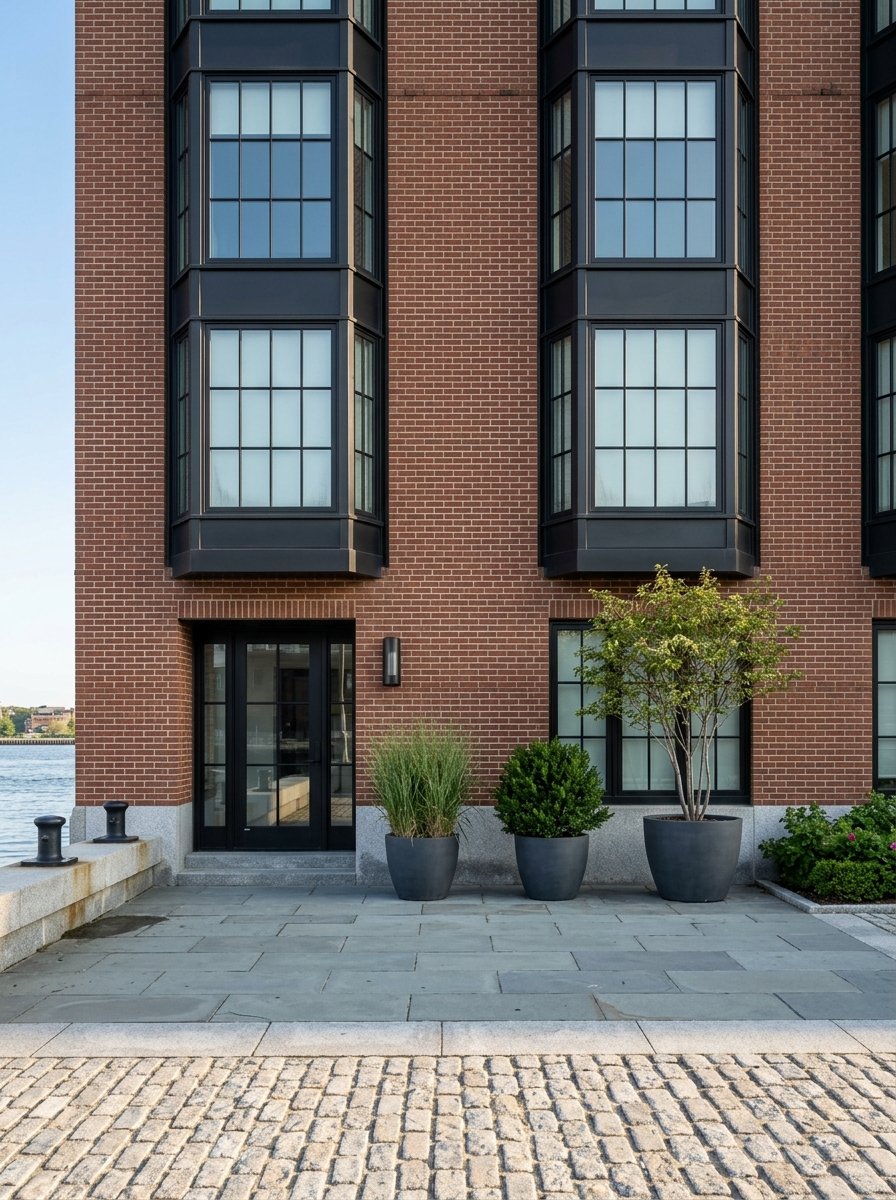
Thinking about moving to Boston’s Waterfront and wondering where to park the truck? You’re not alone. Parking rules in the Seaport/Waterfront can feel complex, especially when you’re juggling keys, movers, and elevator reservations. In this guide, you’ll learn exactly how resident permits work, how to reserve curb space for a moving truck, what documents you need, and how to avoid tickets. Let’s dive in.
Waterfront resident parking basics
The City of Boston runs a resident parking program that gives priority parking in marked resident zones. In many neighborhoods, permits are tied to your license plate through a virtual system. The Waterfront has limited on-street supply, so plan early and confirm details with the City of Boston or 311 since processes and timelines can change.
Eligibility and required documents
Expect to show proof of both residency and vehicle ownership or operation. Typical requirements include:
- Proof of residency at your Waterfront address, such as a signed lease, deed, mortgage statement, or a recent utility or bank statement with the new address.
- Vehicle registration showing the owner. If your registration still lists an out-of-state address, check the city’s current policy. Some programs allow a short grace period with proof you are registering in Massachusetts.
- Photo ID. A Massachusetts driver’s license or MA ID with your Boston address works best. If you have not updated your ID yet, provide secondary proof of residency.
- Your license plate number and any online permit account details the city requests.
How your permit is issued
Boston has moved toward plate-based permits in many areas. If your neighborhood uses a virtual permit, enforcement officers check your plate in the system. Make sure your plate number is entered exactly as it appears on your registration. If your area still issues a physical permit, follow the city’s instructions for display.
Plan your move-in parking
Your building and the city offer options to make move day smoother. The right choice depends on your building setup, truck size, and how much street access you need.
Use your building’s loading resources
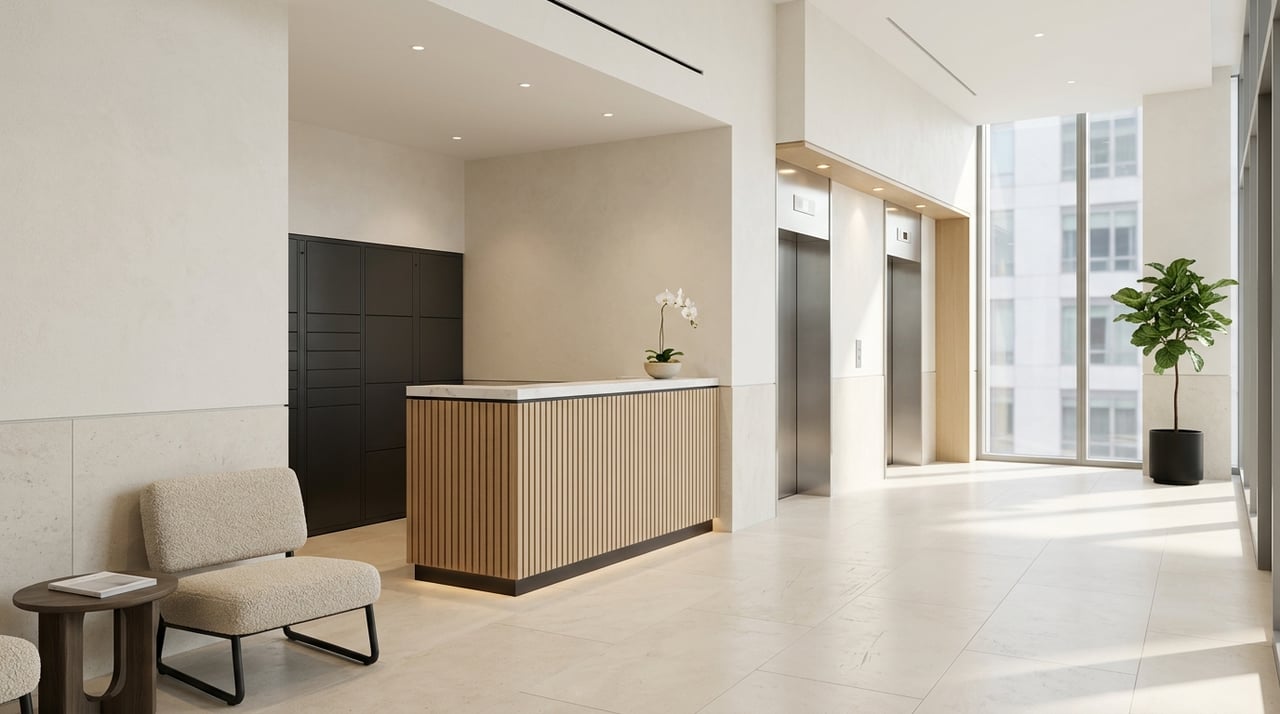
Many Waterfront buildings have loading docks, move-in elevators, and reservation systems. Start here. Building management can guide you on approved move hours, dock access, and elevator booking. When you use a private loading bay and follow building procedures, you often reduce the need for curb space.
Reserve curb space with temporary signs
If you need to stage a moving truck on the street, request temporary No Parking signs or a short-term curb reservation from the city. These requests usually require an application, a fee, and advance notice so signs can be installed with the correct dates and times. During busy seasons, lead times can stretch, so submit early and confirm with 311 or the Boston Transportation Department.
Short-term loading zones and visitors
Some streets offer short-term loading or metered options for quick unloads. Always read the posted signs and follow time limits. Visitor or guest permits are helpful for short stays but do not replace a reserved curb space for a moving truck.
Timing and lead times
- Resident permit: Apply as soon as you have a signed lease or deed. Processing can be immediate or take a few business days depending on verification. Do not wait until move day.
- Temporary No Parking signs: Typical lead time is at least 48 to 72 hours for sign installation. Peak times or special events may require more notice. Confirm current timelines with 311.
- Oversized vehicles or lane closures: These may require coordination with the Boston Police Traffic Division and additional fees. Plan ahead.
Document checklist for a smooth move
Have these ready before you apply or arrive:
- Lease, deed, or mortgage statement with your Waterfront address
- Utility or bank statement if needed as secondary proof
- Vehicle registration and your license plate number
- Massachusetts driver’s license or MA ID, or other photo ID with proof of address
- Online permit account login, if the city uses a portal
- Confirmation of building loading dock and elevator reservations
- Temporary No Parking sign or curb reservation confirmation, if applicable
Avoid common tickets and towing
Move-in days can be hectic, but small mistakes can be costly. Watch for these pitfalls:
- Waiting until move day to apply for a resident permit. If your plate is not in the system and you park in a resident zone, you can be ticketed.
- Parking a moving truck at a meter or in a time-limited zone without proper payment or authorization.
- Blocking driveways, hydrants, crosswalks, or bus stops. These are strictly enforced and can lead to immediate towing.
- Ignoring temporary No Parking signs. Check dates and times and verify they match your reservation.
- Entering your plate number incorrectly in the permit system.
- Overlooking street-cleaning schedules or snow emergency rules. During snow emergencies, towing can begin immediately.
If you get a ticket during your move
- Document everything. Take clear photos of where the truck was parked, the posted or temporary signs, and the date and time.
- Check your permit status online if available. If your permit was issued but not yet visible to enforcement, documentation can help your appeal.
- Follow the city’s parking ticket dispute process. Deadlines apply, and evidence matters.
Quick move-in checklist for the Waterfront
Before move day
- Apply for your resident permit right after signing your lease or closing.
- Confirm whether your neighborhood uses virtual plate-based permits or a physical display and verify your plate number.
- Reserve the building’s loading dock and move-in elevator. Ask about move hours and any required certificates for movers.
- Request temporary No Parking signs or a curb reservation at least 48 to 72 hours in advance if you need street space.
- If using an oversized truck, coordinate with the Boston Police Traffic Division.
- Review street-cleaning and potential snow emergency rules for your dates.
On move day
- Keep digital copies of your permit, temporary sign reservation, and building approvals in the truck.
- Park only in your reserved space or authorized zone. Do not block hydrants, crosswalks, or driveways.
- If an officer checks your truck, present your documentation and, if needed, contact 311 for assistance.
After arrival
- Update your MA driver’s license and vehicle registration with your new Boston address if required.
- If you received a ticket, gather evidence and submit your appeal promptly.
Costs, timelines, and penalties to confirm
Fees and timelines can change. Confirm current permit fees, curb reservation costs, processing times, and any police detail requirements with the City of Boston or 311 before you finalize your move plan. Ticket fines and towing fees are enforceable immediately if you violate posted rules or temporary signs.
Ready to move to the Waterfront?
You do not need the stress of last-minute permit surprises. If you want a clear plan and a smooth landing in your new home, our team is here to help you navigate building policies, timelines, and neighborhood logistics with confidence. Connect with Reig + Losordo to talk through your timeline and next steps.
FAQs
How do Boston resident parking permits work in the Waterfront?
- Boston prioritizes resident parking in marked zones, and many permits are tied to your license plate through a virtual system. Confirm current rules with the city or 311.
What documents do I need for a Waterfront resident permit?
- Be ready with proof of residency, vehicle registration, photo ID, and your plate number. Some applications require an online account as well.
How far in advance should I request temporary No Parking signs?
- Plan for at least 48 to 72 hours of lead time for sign installation, and allow longer during peak moving periods.
Do I need a street permit if my building has a loading dock?
- If you complete the move entirely within a private loading bay and do not use the curb, a street reservation may not be necessary. Confirm with building management and the city.
Can I get a Boston permit with out-of-state plates?
- Policies can vary. Some programs allow a short grace period with proof of residency and pending MA registration. Verify with the City of Boston or 311.