Beacon Hill Condo Market Trends, Inventory & Timing
November 21, 2025
November 21, 2025
Thinking about buying or selling a condo in Beacon Hill? With its cobblestone charm and rare inventory, the neighborhood can feel both exciting and confusing. You want a clear view of what is driving supply, how different condo types behave, and what that means for timing and pricing. This guide breaks down key trends, common property types, and practical steps so you can move with confidence. Let’s dive in.
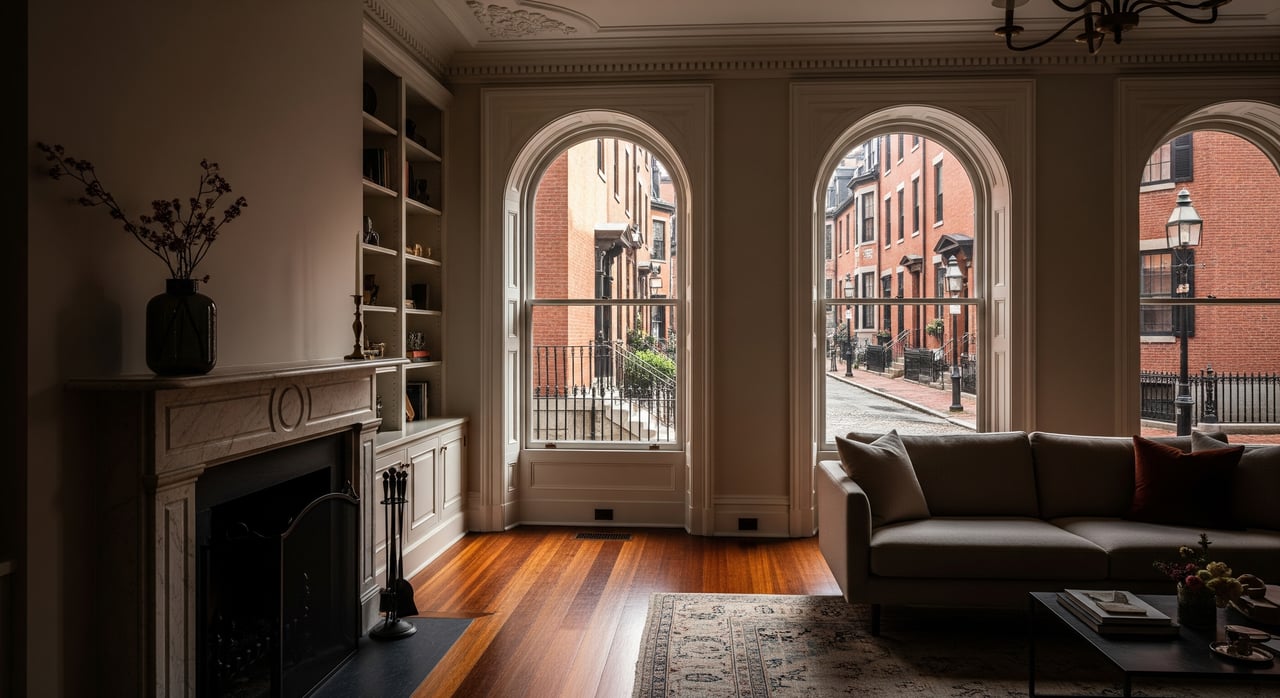
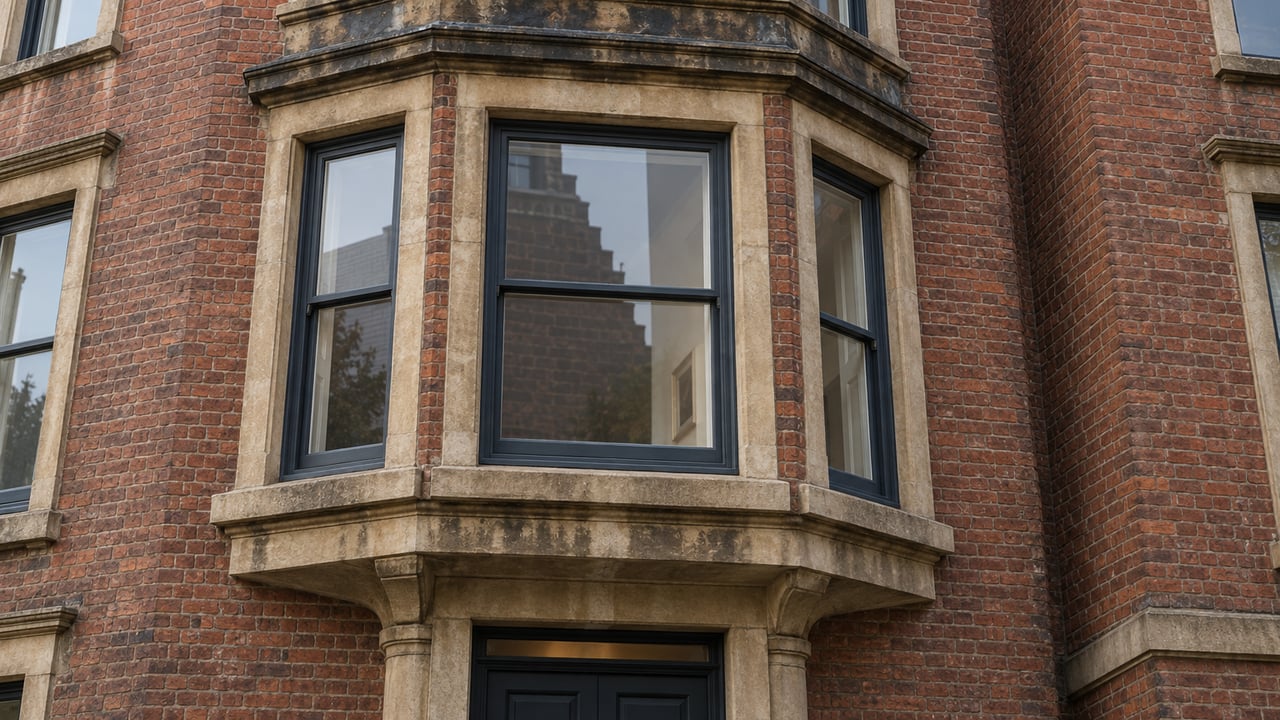
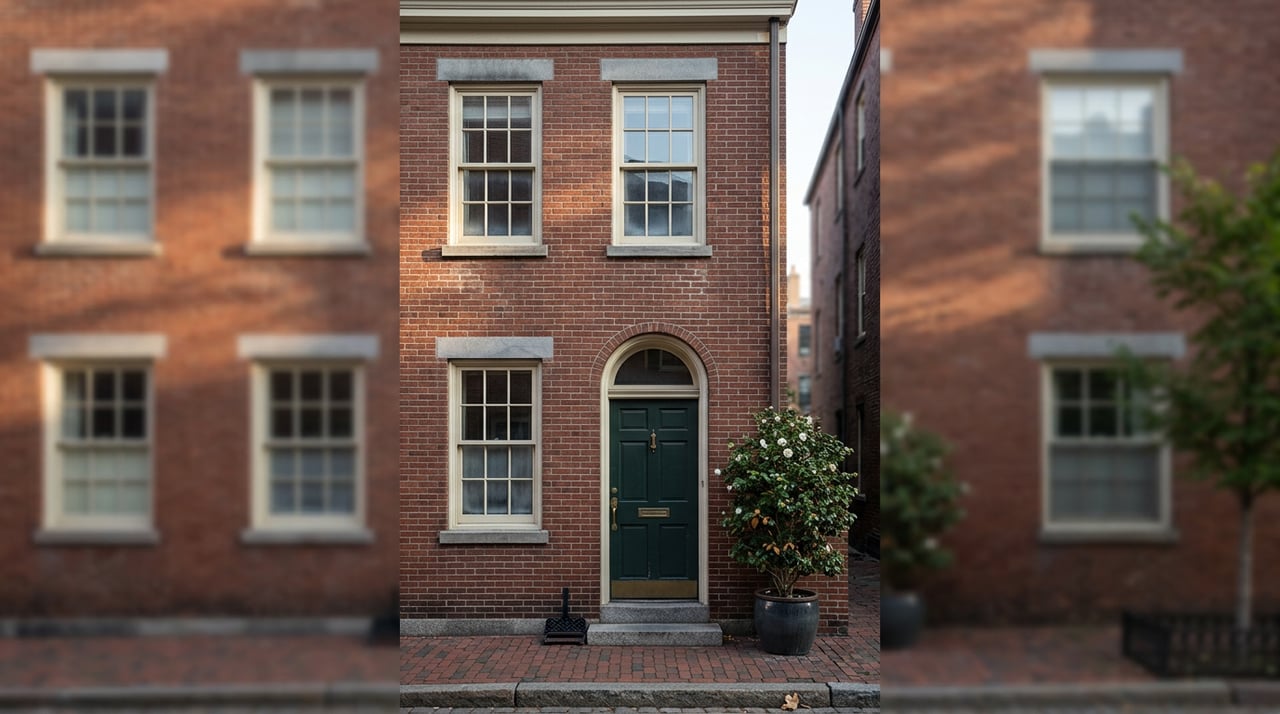
Beacon Hill is one of Boston’s most historic neighborhoods, known for 18th and 19th century rowhouses and boutique buildings. Many condos are carved from former single‑family townhomes, which means irregular floor plans, unique layouts, and modest square footage are common. You often see original details like moldings and fireplaces, plus limited in‑unit storage and scarce parking.
Ownership here is a mix of condominiums and cooperative apartments. The difference matters. Co‑ops typically require board approval and can have rules on financing and subletting, which can narrow the buyer pool and affect time on market. Condos tend to draw broader demand with more conventional financing options.
Supply is tight. Beacon Hill has a small footprint, high preservation standards, and very limited opportunities for major new development. Owners also tend to hold properties for longer periods, which keeps resale inventory low.
Because of this, listings often cluster around two groups. You will see compact, well‑located one bedroom and two bedroom units that attract strong interest, and a smaller set of larger or more unusual homes like townhouse‑style condos. That mix shapes both pricing and days on market.
Beacon Hill appeals to buyers who want a central‑city lifestyle. You are close to Boston Common, the Charles River, employment centers, and transit. The historic architecture is a feature in itself, and many buyers value the neighborhood’s walkability and character.
Downsizers often seek one‑level living with elevator access in boutique buildings. Professionals value the commute, while others are drawn to the streetscape and proximity to dining and culture. This consistent demand supports higher price per square foot levels relative to many Boston areas.
Pricing in Beacon Hill reflects scarcity and character. You will see a wide range of options across three broad segments:
This tier focuses on studios and smaller one bedroom units, often in brownstone conversions. These homes tend to carry high price per square foot due to location and demand, even if the overall price is lower than larger homes. Finishes and building amenities vary, and monthly fees and what they cover play a big role in value.
Two bedroom homes and larger one bedroom units make up the core of the market. Renovated units with open kitchens, updated mechanicals, and in‑unit laundry often sell faster and command a premium. Outdoor space, a functional layout, and good light can be major differentiators at this level.
The top segment includes large floor‑throughs, multi‑level condos within townhouses, and exceptional properties with private entrances, outdoor space, or parking. These homes are unique and may take longer to sell, since the buyer pool is narrower and pricing depends heavily on condition, layout, and provenance.
When priced correctly, compact units often move quickly. Larger or atypical properties usually require more targeted marketing and patient positioning. While spring is typically the most active season, tight inventory can mute seasonal swings.
A helpful way to gauge momentum is months of inventory, which compares active listings to the recent sales pace. As a rule of thumb, less than 3 months signals a seller’s market, 3 to 6 months is more balanced, and more than 6 months favors buyers. In a small neighborhood like Beacon Hill, sample sizes can be small, so look at 6 to 12 month trends for a clearer picture.
Beacon Hill is a historic district. Exterior changes that are visible often require local review and approvals. For interior work, you should still check building rules and plan for proper permits.
Older buildings may face periodic capital projects such as roofs, facades, or mechanical systems. That can lead to special assessments. Buyers should review financials and meeting minutes, and sellers should disclose any known projects so expectations are aligned.
Massachusetts condominiums are governed by state law, and co‑ops operate under corporate bylaws and proprietary leases. If a property was built before 1978, lead paint disclosure rules apply during sales and rentals. Work with your agent and attorney so your plan and paperwork are complete.
Relative to surrounding neighborhoods like Back Bay, the South End, the North End, and the West End, Beacon Hill often ranks among the highest for price per square foot. Small, well‑renovated units in prime locations typically set the pace. Larger homes are more varied, and days on market reflect that.
Inventory is generally tighter here because the neighborhood is small and highly preserved. When you see an increase in listings, it can change the feel of the market quickly for a few weeks, but the long‑term trend still reflects scarcity and consistent demand.
Beacon Hill has a small number of sales each month, so a few outliers can skew the averages. Focus on medians and ranges, and compare similar homes by size, building type, and condition. Price per square foot is helpful, but it rises as size drops, so avoid applying a studio’s per‑square‑foot number to a large two bedroom.
Look at months of inventory and days on market distributions for a better sense of tempo. For example, a high share of sales within 30 days suggests strong demand. Pair that with resale trends over 12 to 24 months to see if the market is tightening or easing.
If you are exploring a purchase, start with a focused brief on your top streets, building types, and must‑have features. For a sale, ask for a property‑specific pricing plan that accounts for layout, finish level, and any unique details.
We provide tailored comps, on‑the‑ground insight, and guidance on fees, reserves, and building rules, plus access to off‑market opportunities through our network when appropriate. Ready to make a move in Beacon Hill? Connect with Steve Losordo & Jillian Reig for a private strategy session.
Stay up to date on the latest real estate trends.



Buying, selling, or investing in Boston real estate? Reig + Losordo provides personalized strategies, market expertise, and a seamless experience from start to finish. With deep local knowledge and a proven track record, we’re here to help you navigate every step with confidence. Let’s make your next move a success.
Get In Touch With Our Team

ADDRESS 399 Boylston St Boston, MA 02116